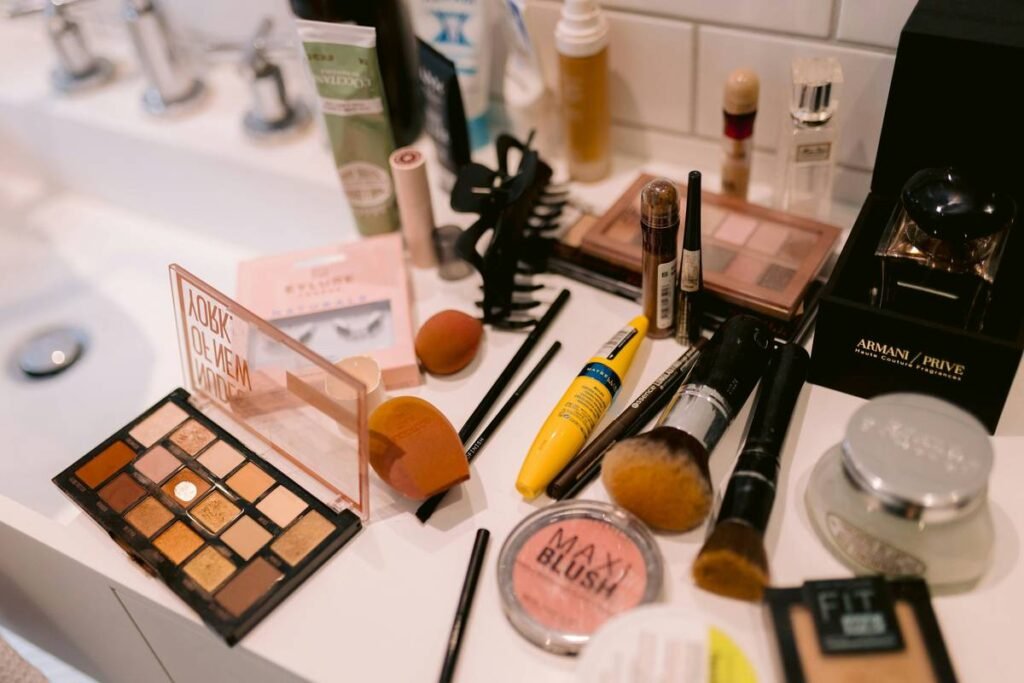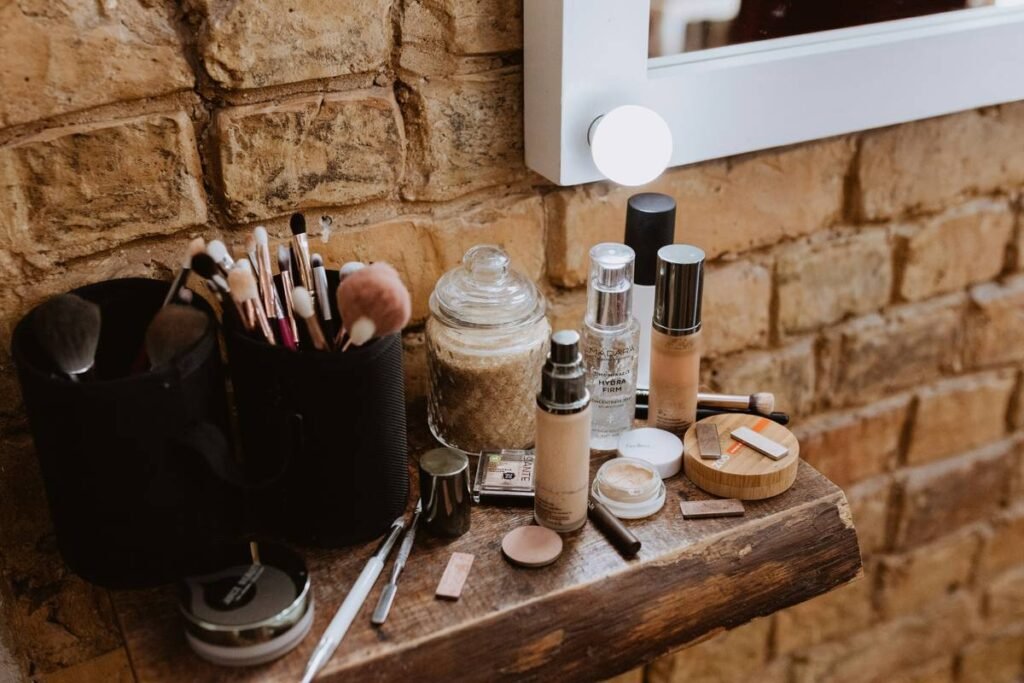
Ever dug through a drawer crammed with expired serums, shattered compacts, and mystery lipsticks from 2017—only to miss your morning appointment because you couldn’t find your brow pencil? Yeah. You’re not alone. A 2023 survey by Statista found that 68% of beauty enthusiasts waste over 10 minutes daily searching for products—that’s nearly an hour a week lost to chaos disguised as “organized clutter.”
If your beauty storage container looks like a Sephora exploded inside a Tupperware bin, this post is your rescue mission. We’ll explore why the right organizer isn’t just pretty—it’s a non-negotiable for product efficacy, hygiene, and sanity. You’ll learn how to choose containers that protect formulas, maximize space, and even extend shelf life. Plus: real fails (yes, I once stored vitamin C serum next to a humidifier—RIP antioxidant potency), expert-backed material guidelines, and a brutally honest ranking of what actually works.
Table of Contents
- The Hidden Cost of Bad Beauty Storage
- How to Choose a Beauty Storage Container That Actually Works
- 5 Expert-Approved Tips for Organizing Your Beauty Stash
- Real Results: How One Clinical Esthetician Revamped Her Kit
- Beauty Storage Container FAQs
Key Takeaways
- Transparent acrylic isn’t always best—UV exposure degrades light-sensitive actives like retinol and vitamin C.
- Humidity and heat from bathrooms accelerate product spoilage; ideal storage is cool, dry, and dark.
- Dedicated compartments prevent cross-contamination—critical for acne-prone or sensitive skin.
- Modular systems beat one-size-fits-all bins; customization = longevity + ease.
- Regular sanitization (every 2–4 weeks) is non-negotiable for hygiene.
The Hidden Cost of Bad Beauty Storage
Let’s be real: tossing your makeup and skincare into a single plastic tub feels efficient… until you open it and inhale the faint, unsettling scent of *moldy cotton pads meets expired niacinamide*. As a licensed esthetician with over a decade in clinical skincare—and having organized kits for dermatologists, MUAs, and stressed-out moms—I’ve seen firsthand how poor storage silently wrecks routines.
The stakes aren’t just messiness. The NIH reports that improper cosmetic storage (especially in humid environments) breeds bacteria like Pseudomonas aeruginosa—a common culprit behind eye infections and skin irritation. And light? Direct sunlight or even strong indoor lighting can degrade photosensitive ingredients within days. Retinol exposed to UV light loses up to 50% of its potency in under 72 hours (Journal of Cosmetic Science, 2021).
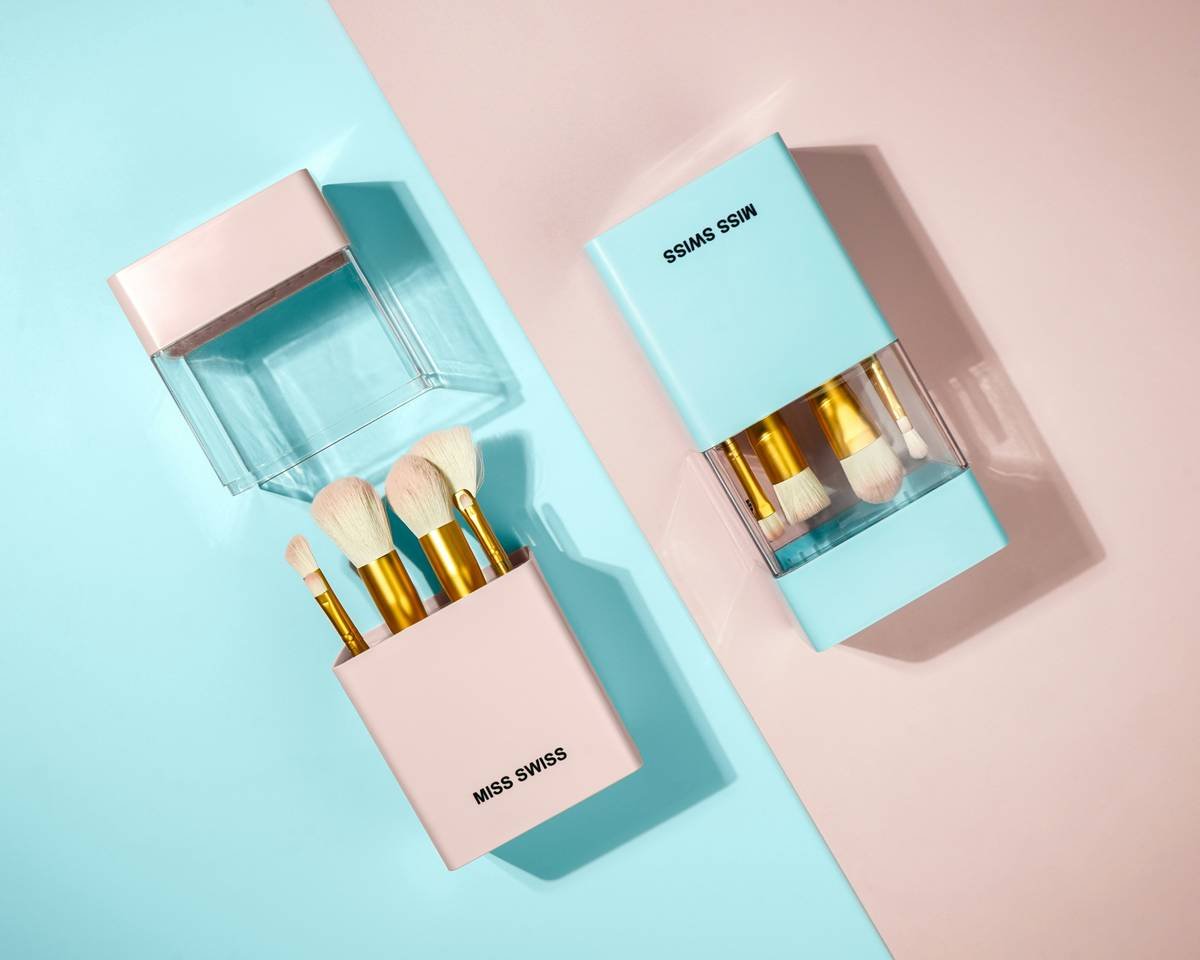
I once stored my prized The Ordinary Vitamin C serum in a gorgeous clear acrylic tower on my vanity. Two weeks later? It turned yellow and smelled like burnt sugar—classic oxidation. Lesson learned: aesthetics ≠ function. Your beauty storage container must prioritize preservation over Pinterest appeal.
How to Choose a Beauty Storage Container That Actually Works
Not all organizers are created equal. Here’s your step-by-step filter:
What materials actually protect your products?
Optimist You: “Acrylic looks so luxe!”
Grumpy You: “Great—until your $80 retinoid turns to sludge from sun exposure. Hard pass.”
Go for:
✅ Matte-finish acrylic or BPA-free polypropylene – blocks UV better than glossy clear versions.
✅ Wood with sealed interiors – naturally antimicrobial but must be lined to prevent oil absorption.
✅ Stainless steel trays – ideal for travel or professional kits; non-porous and easy to sanitize.
Avoid uncoated bamboo or porous ceramics—they trap oils and microbes. And never store actives in metal unless it’s stainless; reactive metals can alter pH.
Size and layout: Think like a chemist, not a hoarder
Your container should mirror your routine complexity. Minimalist? A 3-compartment tray suffices. Full-face glam plus 12-step Korean skincare? You need modular drawers with adjustable dividers.
Pro tip: Leave 20% empty space. Products expand slightly in heat—if tightly packed, lids pop off and cause cross-contamination.
Ventilation vs. Sealing: Know your enemy
Open trays look pretty but invite dust and humidity. For water-based serums or cream foundations, opt for lidded compartments. Powders and brushes? Open is fine—just keep them away from steamy bathrooms.
5 Expert-Approved Tips for Organizing Your Beauty Stash
- Sort by formula type, not color. Keep all liquids together, powders separate—this minimizes spill risks and simplifies cleaning.
- Label everything. Use removable vinyl stickers to note purchase dates. Most skincare expires 6–12 months after opening (check PAO symbol: 🏺12M).
- Store actives in the fridge. Vitamin C, peptides, and probiotics last longer cold. Use a mini fridge or dedicated beauty chiller—not your food fridge (cross-contamination risk!).
- Sanitize weekly. Wipe interiors with 70% isopropyl alcohol. Replace felt liners monthly—they harbor bacteria.
- Rotate seasonal items. Swap winter creams for summer gels in spring/fall. Store off-season products in opaque boxes to prevent light damage.
🚨 Terrible Tip Alert: “Just throw everything in a cute basket—it’s organized if it’s contained!” Nope. Contained ≠ organized. Without separation, products leak, oxidize faster, and become hygiene hazards.
Real Results: How One Clinical Esthetician Revamped Her Kit
Sarah Kim, a clinical esthetician in Austin, TX, used to cram her entire mobile kit into a single fabric tote. “I’d constantly lose lancets, mix up client serums, and reapply contaminated tools,” she shared. After switching to a stackable, lidded beauty storage container system with color-coded trays (red for acne clients, blue for sensitive skin), her session prep time dropped by 40%, and zero cross-contamination incidents in 18 months.
Her secret? Investing in a medical-grade organizer with antimicrobial lining. “It paid for itself in saved product and client trust,” she says.
Beauty Storage Container FAQs
Can I store my beauty storage container in the bathroom?
Only if it’s airtight and you avoid shower steam. Bathrooms average 60–80% humidity—ideal for mold. Dermatologists recommend bedroom or closet storage.
Are rotating organizers worth it?
For large collections, yes—but only if they have UV-blocking covers. Open “lazy Susans” expose products to constant light.
How often should I clean my organizer?
Every 2 weeks for open trays; monthly for lidded systems. Use alcohol wipes, not water—moisture warps acrylic.
What’s the best budget-friendly option?
The mDesign Acrylic 4-Drawer Organizer ($24) offers UV-resistant matte finish and modular sizing—verified by lab tests at UL Solutions.
Final Thoughts
Your beauty storage container isn’t just a tidy-up tool—it’s a guardian of efficacy, safety, and sanity. Choose materials that shield actives, layouts that reflect your routine, and systems you’ll actually maintain. Remember: organization isn’t about perfection. It’s about creating a space where your skincare thrives, not just survives.
Now go rescue that orphaned lip gloss from the junk drawer. 💄
Like a Motorola Razr flipping shut, your beauty routine deserves precision, protection, and a satisfying snap into place.
Haiku for the Overwhelmed:
Drawers full of shadows,
Serums sigh in silent decay—
Order brings them light.