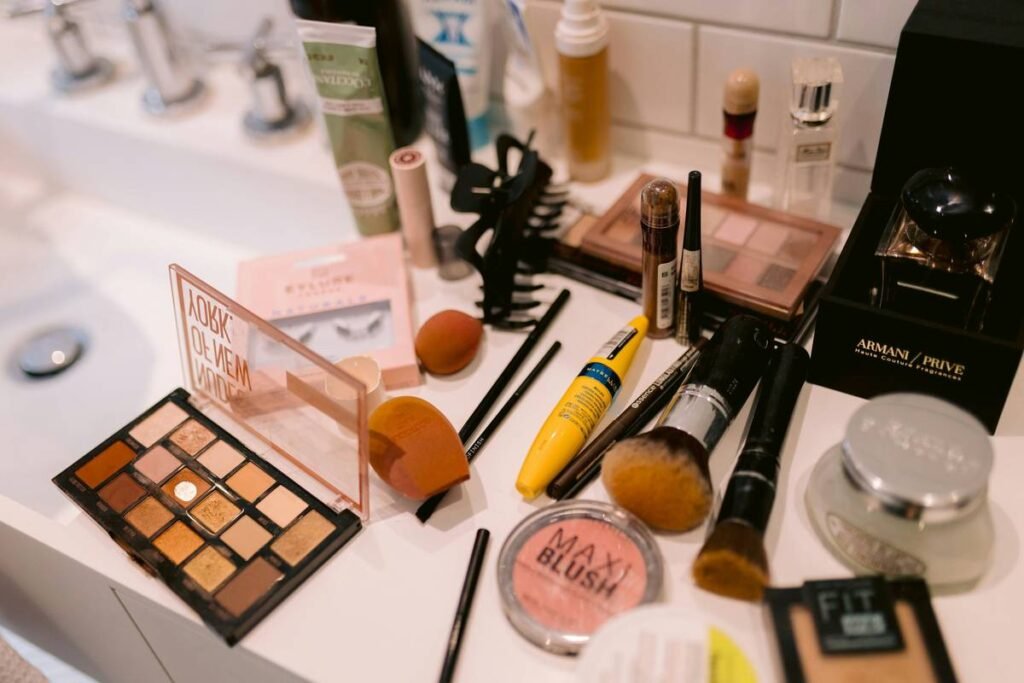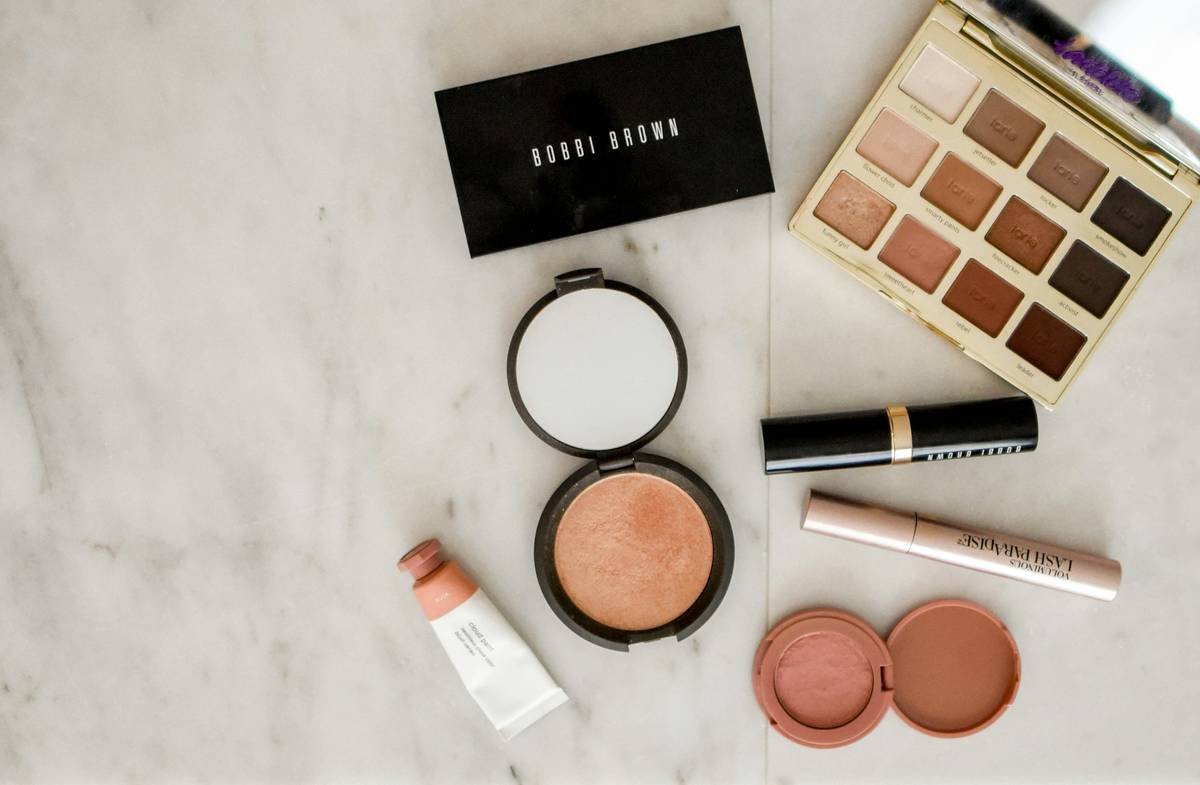
You bought a makeup storage rack. It looked sleek in the photo—minimalist, Instagrammable, functional. But now? Lipsticks roll off. Brushes topple into the abyss between shelves. Foundations vanish behind opaque drawers. And your “organized” vanity feels more chaotic than before. Here’s the reality: most makeup storage racks are designed for aesthetics—not actual human behavior. The solution isn’t buying another one. It’s choosing—and using—one that aligns with how you *really* interact with your products.
The Core Problem: Beauty Racks Built for Showrooms, Not Real Life
Manufacturers optimize for shelf appeal, not usability. A glossy acrylic tower might photograph well—but it hides half your items and offers zero grip for rounded compacts or tapered brushes. And don’t get me started on those tiered spinning carousels. They look dynamic until you spin past your concealer three times trying to find it mid-routine. Worst of all? Most racks ignore product weight distribution. Heavy bottles on upper tiers = inevitable tipping. Light powders buried below = forgotten inventory. You’re not messy. Your system is broken by design.
How to Choose and Use a Makeup Storage Rack That Actually Works
Forget “more compartments.” Prioritize adaptability, visibility, and stability. Here’s how.
Match Your Routine, Not Your Collection Size
Do you use five products daily or 25? If it’s the former, a sprawling 48-slot organizer is overkill—and will encourage clutter creep. Go compact. Reserve larger modular units only if you’re a MUA or genuinely rotate through dozens of items weekly.
Prioritize Open Shelves Over Closed Drawers
Out of sight = out of mind. Unless you’re storing backup unopened stock, avoid fully enclosed drawers. Opt for open cubbies, shallow trays, or angled risers that let you see everything at a glance. Bonus: easier cleaning when spills happen.
Anchor Heavy Items Low
Foundations, serums, setting sprays—they belong on the bottom tier. Lightweight pencils, lip glosses, and compacts? Top shelf. This isn’t just tidy—it prevents wobbling and extends your rack’s lifespan.

| Rack Type | Best For | Price Range | Real-World Flaw |
|---|---|---|---|
| Acrylic Tiered Carousel | Small collections, countertop users | $25–$60 | Spins too freely; items fall off edges |
| Metal Mesh Grid Wall System | MUAs, large brush collections | $40–$100+ | Requires wall mounting; not renter-friendly |
| Modular Drawer Units | Product hoarders, backup stock | $30–$80 | Opaque drawers hide contents; hard to reorganize |
| Adjustable Tiered Rack (Open Shelves) | Daily users, mixed textures | $35–$70 | Few models offer true height customization |

The Industry Secret: Pros Don’t Organize by Product Type—They Organize by Frequency
Here’s what no brand tells you: top makeup artists group items by *usage rhythm*, not category. Concealer sits next to foundation—not tucked away with other “face products.” Eyeliner lives beside shadow palettes because they’re used together. And travel minis? Banished to a separate container entirely. This behavioral zoning cuts routine time by 30% and reduces product abandonment. Yet nearly every consumer rack forces rigid categorization: “Lips here, Eyes there.” Fight it. Your rack should mirror your muscle memory—not a store shelf layout. And yes, that sometimes means ignoring the labeled compartments altogether.
Frequently Asked Questions
What’s the best material for a makeup storage rack?
Wood resists slipping but is heavy. Acrylic shows dust easily. Metal is durable but can corrode from aerosol sprays. For most, powder-coated steel or BPA-free plastic offers the best balance of grip, weight, and cleanability.
Can a makeup storage rack save me money?
Absolutely. When you see everything you own, you stop repurchasing duplicates. One client reduced her monthly beauty spend by $47 after switching to an open-shelf rack—just from rediscovering “lost” items.
How often should I reorganize my makeup storage rack?
Every 4–6 weeks. Products expire, routines shift, new launches enter rotation. A static system breeds waste. Treat your rack like a living dashboard—not a museum display.