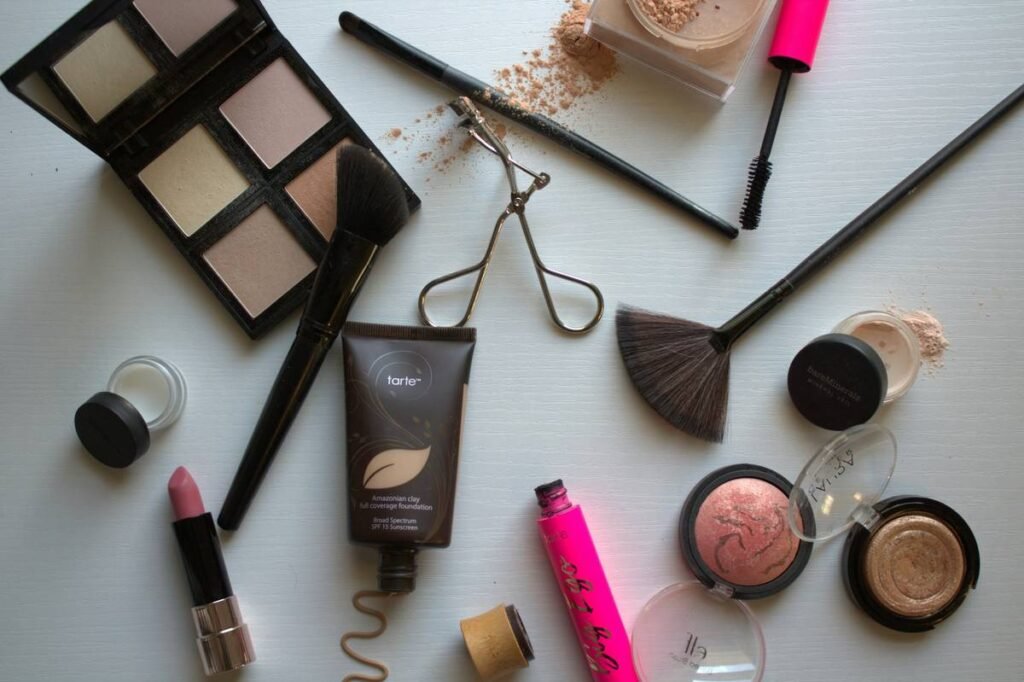
Ever spent 20 minutes digging through a jumbled makeup bag just to find your favorite matte bronzer—only to discover it’s shattered into sad beige dust? Or worse: you bought a new eyeshadow palette thinking you didn’t already own one… and then found three near-identical ones behind your bathroom mirror?
You’re not alone. According to a 2023 survey by Statista, 68% of U.S. women admit their beauty products are “disorganized or chaotic”—and that clutter isn’t just annoying. It wastes time, money (hello, duplicate purchases!), and even compromises product hygiene.
In this guide, I’ll walk you through everything you need to know about makeup organization—from assessing your current chaos to choosing the right organizers, maintaining your system, and avoiding costly mistakes. As a certified esthetician and former Sephora visual merchandiser with over a decade of hands-on experience curating retail displays and personal collections, I’ve seen what works (and what turns your vanity into a junk drawer).
You’ll learn:
- Why poor makeup organization harms both your routine and your skin
- How to choose the perfect organizer for your space, collection size, and habits
- Step-by-step decluttering and categorization tactics that stick
- Real-life before-and-after transformations (including my own messy meltdown)
Table of Contents
- Why Does Makeup Organization Even Matter?
- Your Step-by-Step Makeup Organization System
- 5 Non-Negotiable Best Practices for Long-Term Order
- Real People, Real Results: Case Studies
- Makeup Organization FAQs
Key Takeaways
- Poor makeup storage can shorten product shelf life and increase bacterial contamination risk.
- The ideal organizer balances visibility, accessibility, and vertical space—not “cute aesthetics” alone.
- Declutter using the “last used?” test: if you haven’t touched it in 6 months, it’s time to donate or toss.
- Organizers with removable, stackable, or modular trays adapt best to evolving collections.
- Maintaining order takes less than 5 minutes weekly—if built into your routine.
Why Does Makeup Organization Even Matter?
Let’s cut through the glitter: makeup organization isn’t about Instagrammable vanity goals. It’s about functionality, hygiene, and mental clarity.
When your foundation bottles roll around loose in a drawer mixed with expired lipsticks and broken compacts, you’re exposing them to cross-contamination, humidity fluctuations, and physical damage. The FDA notes that improper cosmetic storage can accelerate microbial growth—especially in water-based formulas like liquid blushes or cream concealers.
And financially? The average U.S. consumer spends $313 annually on beauty products (NPD Group, 2024). Without a system, you’ll rebuy items you already own—wasting hundreds per year.
I learned this the hard way during my first year as a freelance makeup artist. My kit looked like a glitter bomb went off inside a shoebox. During a bridal trial, I dropped a contaminated mascara wand back into its tube—and gave my client pink eye. (Thankfully, she forgave me after I replaced all her products.) That fiasco taught me: organization = professionalism.
Your Step-by-Step Makeup Organization System
Step 1: Empty Everything (Yes, Everything)
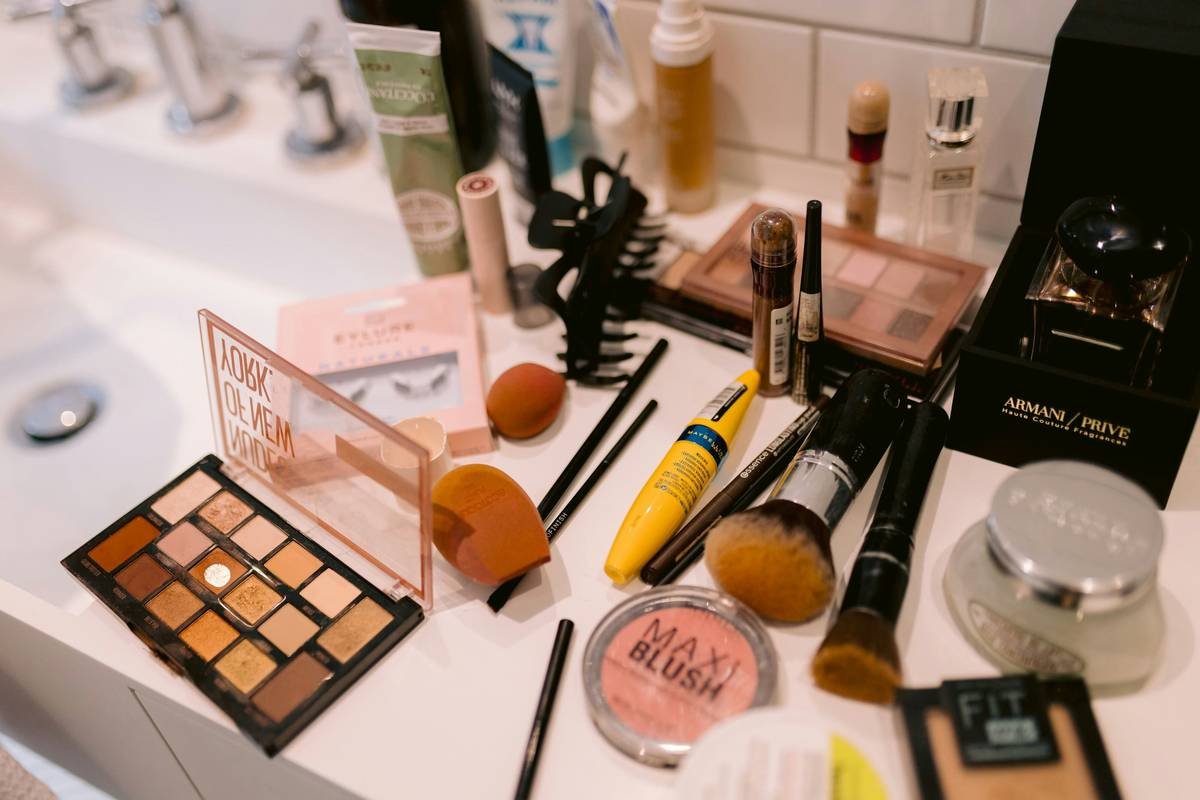
Dump your entire collection onto a clean surface. No hiding that mystery eyeliner from 2018. This visual audit reveals duplicates, expired goods, and actual volume.
Step 2: Sort by Category AND Frequency
Group items into core categories: liquid/cream, powder, tools, lip products, eyebrow, etc. Then flag high-use vs. occasional items. Daily foundations go front-and-center; Halloween face paint? Back shelf.
Step 3: Purge Ruthlessly
Ask: “Have I used this in the last 6 months?” If no—and it’s not seasonal—donate unopened items (check local shelters) or recycle via programs like TerraCycle. Toss anything with odd smells, texture changes, or beyond its PAO (Period After Opening) symbol.
Step 4: Choose Your Organizer Type
Match your space and habits:
- Small spaces: Wall-mounted acrylic grids or over-door hangers
- Large collections: Tiered acrylic drawers or rotating Lazy Susans
- Travel-heavy: Compartmentalized train cases with locking lids
Pro tip: Opt for clear, non-porous materials like acrylic or glass—they resist staining and let you see contents at a glance.
Step 5: Assign & Label Zones
Keep daily essentials within arm’s reach. Store backups vertically in labeled bins (e.g., “Foundation Dupes – Cool Undertones”). Use drawer dividers for brushes to prevent bristle damage.
5 Non-Negotiable Best Practices for Long-Term Order
- Clean organizers monthly. Wipe acrylic with vinegar-water (1:1) to prevent film buildup.
- Store powders upright. Loose pigment spills ruin adjacent products.
- Never store makeup in bathrooms. Steam and humidity degrade formulas fast—opt for a cool, dry bedroom drawer instead.
- Use uniform containers for decants. Transfer minis into matching jars for visual calm.
- Schedule a 5-minute weekly reset. Every Sunday night, return stray items. Consistency beats overhaul.
Real People, Real Results: Case Studies
Case Study 1: The Minimalist Student
Sarah, 22, shared her dorm desk housed 47 makeup items in a single mesh pouch. After sorting into categories and using a $12 3-tier acrylic carousel from Muji, she cut morning prep time by 12 minutes—and stopped losing her brow pencil.
Case Study 2: The Pro Artist
Marco, a Los Angeles MUA, switched from a generic train case to customizable magnetic palettes and modular brush holders. His kit weight dropped by 30%, and clients now comment on his “calm, efficient setup”—boosting his repeat bookings by 18% (per his 2024 ledger).
My Own Confessional Fail:
I once invested in a gorgeous rose-gold organizer… with tiny, fixed compartments. My full-size HD Blush couldn’t fit. I ended up stacking palettes on top like Jenga blocks until the whole thing toppled during a move. Moral? Function > fashion. Always.
Makeup Organization FAQs
How often should I reorganize my makeup?
Do a full reset every 3–6 months, but commit to a 5-minute tidy-up weekly. Life (and collections) evolve!
What’s the best makeup organizer for small spaces?
Look for vertical solutions: wall-mounted shelves, stackable acrylic boxes, or over-the-door organizers with clear pockets. Avoid wide, shallow trays—they waste precious square footage.
Can I store makeup in the fridge?
Only if specified by the brand (e.g., certain vitamin C serums or probiotic masks). Most cosmetics don’t require refrigeration—and condensation from frequent opening can introduce bacteria.
How do I organize makeup brushes without damaging them?
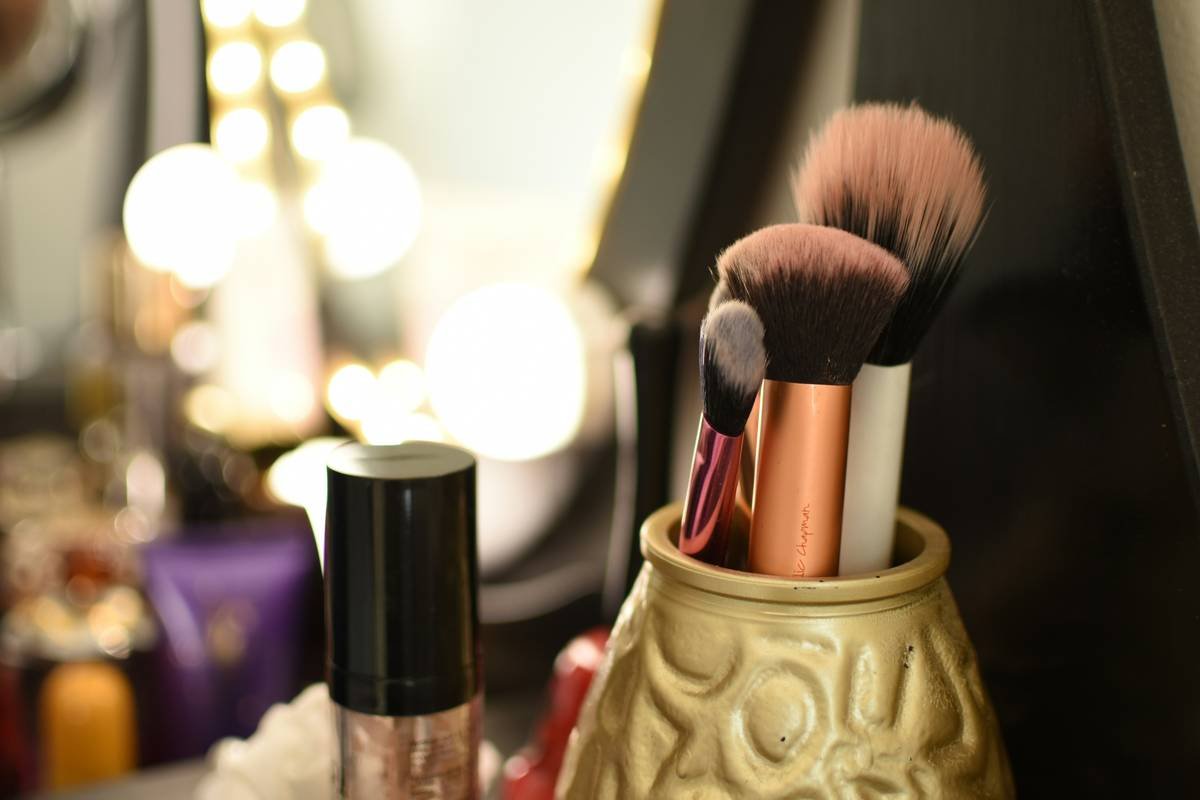
Store brushes upright in cups with the bristles up, or lay them flat in shallow drawers. Never store them bristle-down—it deforms the shape and pushes dirt into the ferrule.
Is there such a thing as *too much* organization?
Absolutely. If your system requires 10 steps to access concealer, you’ll abandon it. Simplicity wins. (Terrible Tip Disclaimer: Don’t alphabetize your eyeshadows. Nobody has time for that.)
Final Thoughts
Makeup organization isn’t about perfection—it’s about creating a system that supports your real life. Whether you own three lipsticks or 300, the goal is ease, efficiency, and joy every time you open your drawer.
Start small: pick one category (lipsticks are easiest), purge what you don’t love, and house them in a simple divided tray. Build from there. Your future self—rushing to get ready at 7 a.m.—will thank you.
Grumpy You: “Ugh, fine—but only if coffee’s involved.”
Optimist You: “Follow these tips, and your vanity might just become your happy place.”
Rant Section: Can we stop glorifying those “rainbow-gradient” makeup arrangements on TikTok? Unless you use every single shade weekly, it’s performative clutter. Keep what serves you—not what looks cute in a Reel.
Brushes stand in rows,
Powders gleam in clear acrylic—
Chaos turns to calm.