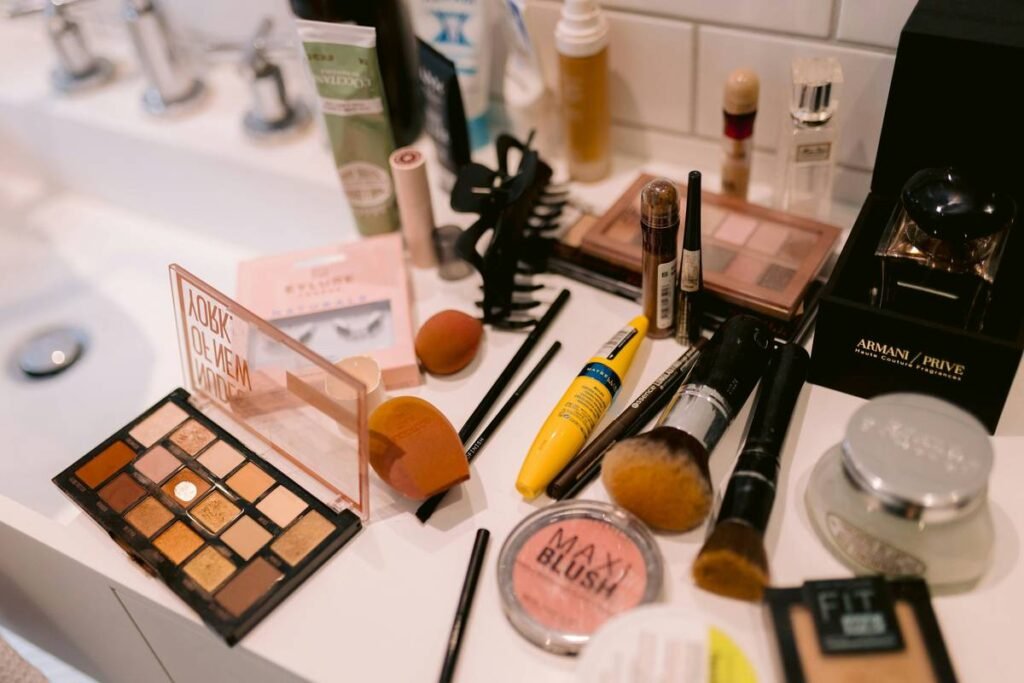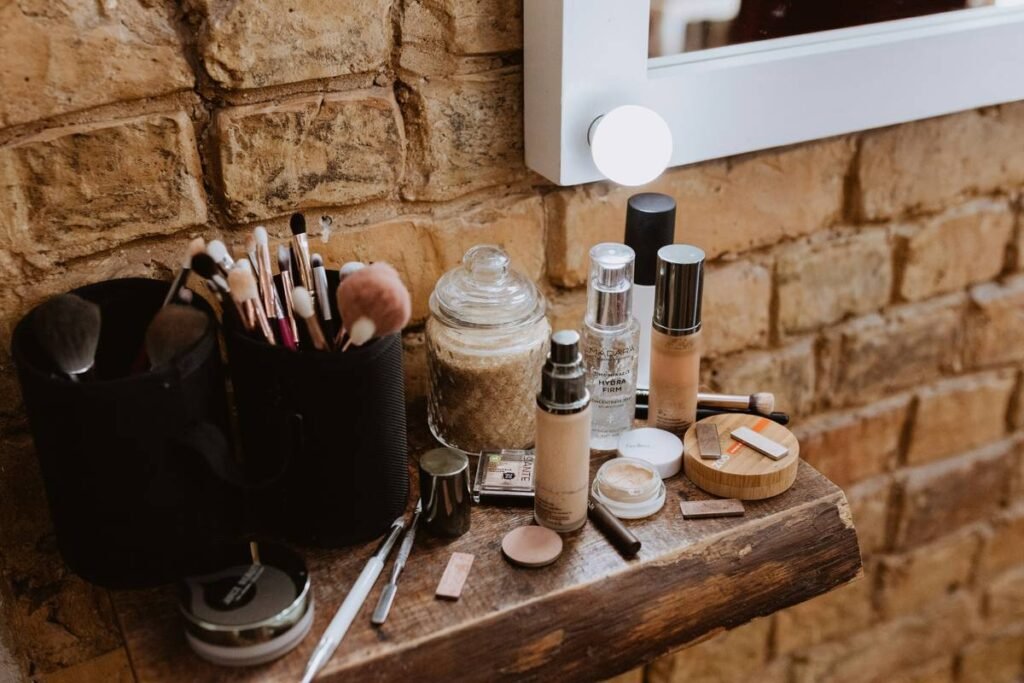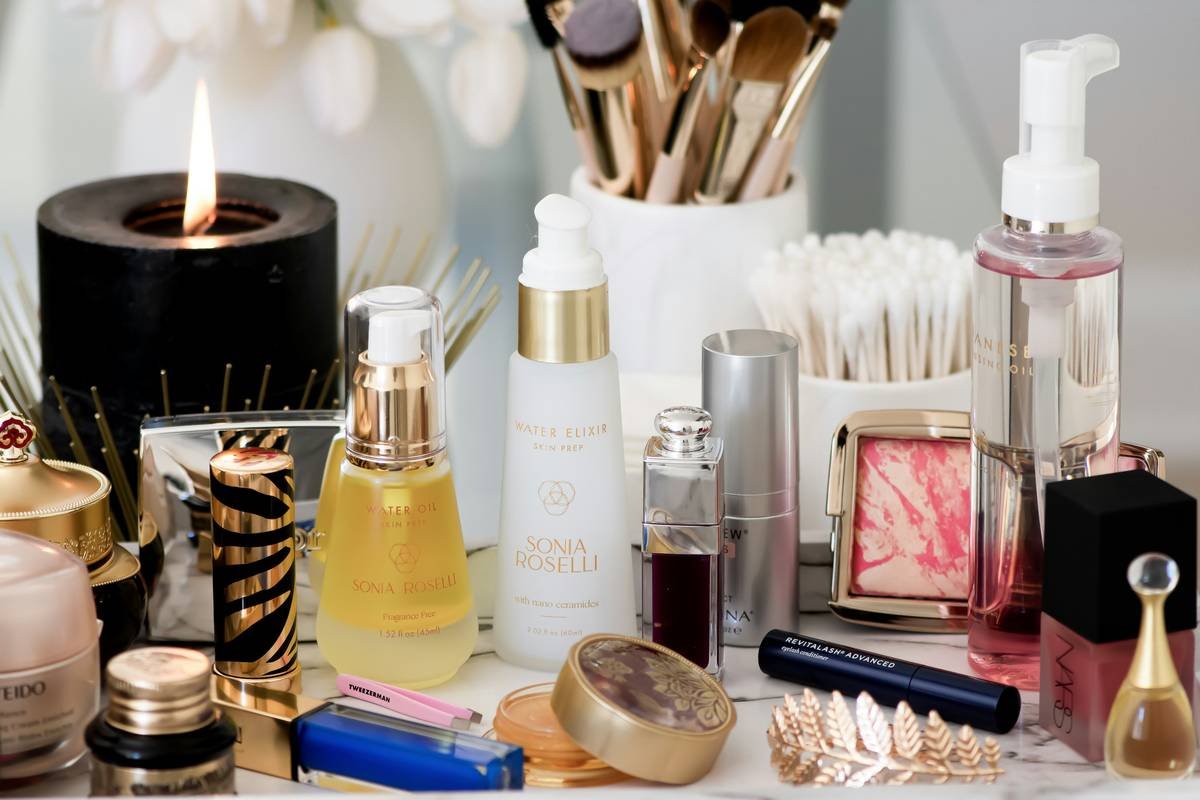
Your foundation is flawless. Your eyeshadow game? Impeccable. But your counter looks like a Sephora exploded. Brushes rolling off edges, lipsticks vanishing into drawers, palettes stacked haphazardly—chaos costs time, product, and sanity. The fix isn’t more storage—it’s the right makeup essential container. One that works with your habits, not against them.
The Broken Promise of Generic Makeup Storage
Most “organizers” are glorified boxes. Pretty on Instagram. Useless IRL. They ignore how makeup is actually used—not stored neatly by brand or shade, but grabbed mid-routine, tossed back in haste. Acrylic towers collect dust in corners. Drawer dividers warp under weight. And those cute magnetic palettes? Lose one magnet, lose your entire contour kit.
Here’s the reality: if your container doesn’t adapt to your workflow, you’ll abandon it within weeks. Clutter returns. Products expire unused. The cycle repeats.
How to Choose (and Use) Your Ideal Makeup Essential Container
Forget aesthetics first. Prioritize function. Ask: What do I use daily? Weekly? Never? Design flows from answers—not Pinterest boards.
Map Your Actual Usage Patterns
Track your routine for three days. Note what you touch—and where you fumble. Most pros keep core items (foundation, concealer, brushes) within arm’s reach; secondary products (glitters, specialty liners) tucked away but visible. Visibility = usage.
Modularity Beats Fixed Compartments
Rigid slots force compromise. A modular system—interchangeable trays, adjustable dividers, stackable tiers—lets you pivot as your collection evolves. Ran out of highlighter? Swap that slot for an extra blush. Simple.
Material Matters More Than You Think
Acrylic scratches. Wood absorbs spills. Metal? Cold, unforgiving, prone to rust near humidifiers. Food-grade silicone or matte-finish recycled plastic offers grip, cleanability, and quiet operation (no clattering at 6 a.m.).
| Container Type | Best For | Average Cost | Pitfall to Avoid |
|---|---|---|---|
| Stackable Modular Trays | Daily drivers + expanding collections | $25–$45 | Skipping non-slip base—slides during application |
| Spinning Lazy Susan | Small spaces, vanity tops | $20–$35 | Overloading—causes wobble and spills |
| Fold-Flat Travel Case | Frequent travelers, minimalists | $18–$30 | Using for full-size bottles—strains zippers |
| Drawer Insert System | Hidden storage, large hauls | $30–$60 | Not measuring drawer depth—leads to wasted space |
The Industry Secret: Pros Don’t Organize—They Rotate
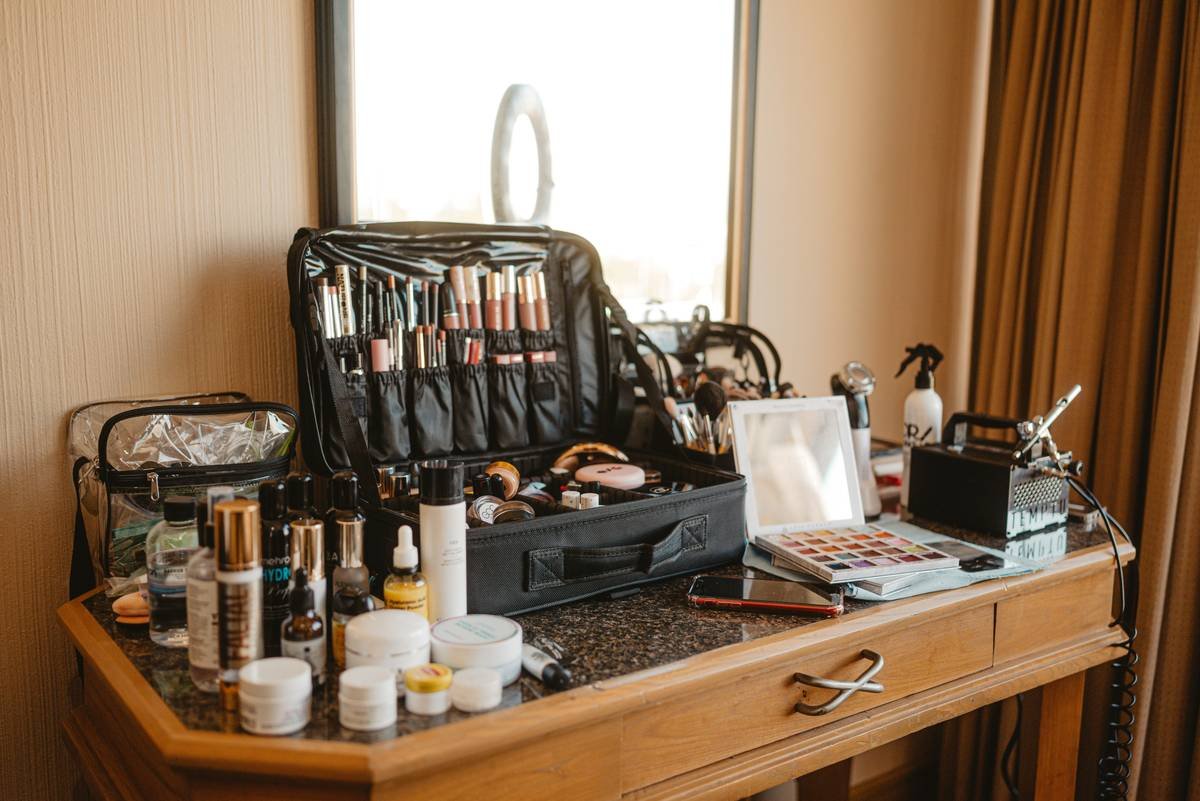
Behind every celebrity makeup artist’s immaculate kit lies a brutal truth: they don’t keep everything accessible. Instead, they run a “seasonal rotation.” Only current-client-relevant items stay in their main makeup essential container. The rest? Archived in labeled bins, out of sight. This cuts decision fatigue by 70% during high-pressure sessions. Try it: every Sunday, swap out 3–5 “off-season” products for fresh ones. Your routine speeds up. Waste drops. Sanity stays intact.
Frequently Asked Questions
What’s the difference between a makeup organizer and a makeup essential container?
A makeup essential container holds only your frequently used core items—not your entire collection. It’s lean, functional, and designed for daily access.
Can I use a makeup essential container for skincare too?
Yes—if it has spill-proof compartments. But avoid mixing liquids and powders in non-sealed sections. Oil-based serums can degrade adjacent powder formulas over time.
How often should I clean my makeup essential container?
Wipe interiors weekly with 70% isopropyl alcohol. Deep-clean removable trays monthly. Product residue breeds bacteria faster than you think.