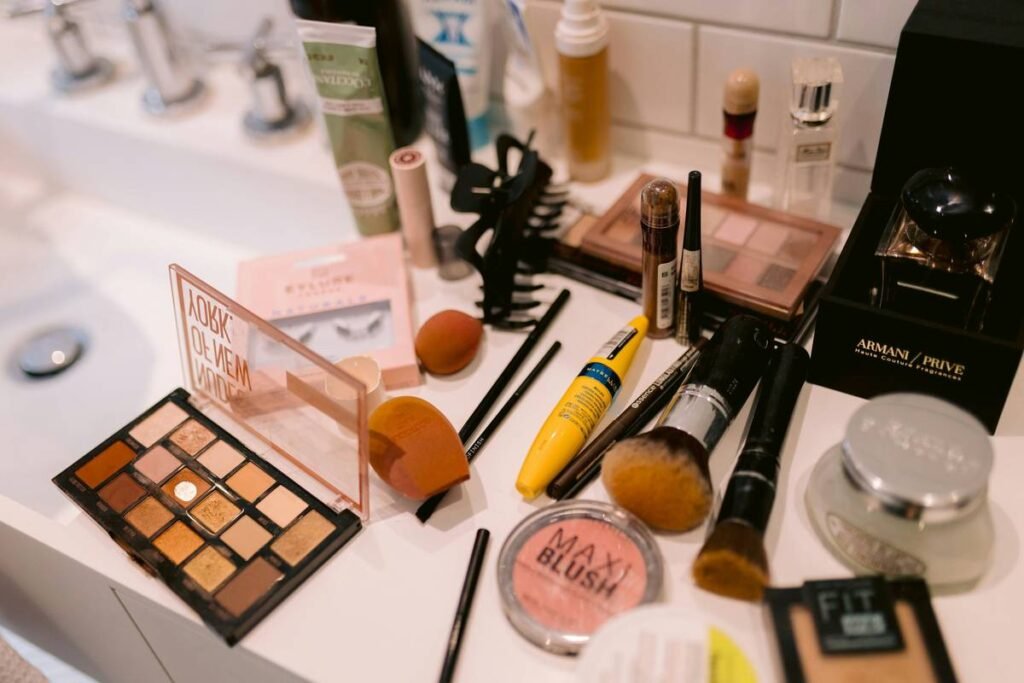
Your vanity looks like a glitter bomb went off. Foundations buried under expired lipsticks. Eyeshadow palettes stacked like Jenga blocks ready to collapse. You’re wasting 7–12 minutes every morning hunting for that one concealer. And it’s not just frustrating—it’s costing you money. Duplicate purchases pile up because you “forgot” you already owned it. The fix isn’t another flimsy acrylic tray from Amazon. You need a true cosmetic organizer solution—one engineered for how real people use makeup, not how influencers stage flat lays.
Why Most “Organizers” Make the Problem Worse
Sliding drawers jam. Stackable bins topple. Transparent dividers look sleek in photos but turn into dust magnets IRL.
Here’s the reality: most organizers ignore human behavior. They assume you’ll perfectly file everything by category or color—but nobody does that after a 12-hour workday. And generic storage treats all products the same. A cream blush needs different handling than a sharp eyeliner pencil. One-size-fits-all fails.
But worse? They don’t evolve with your collection. Today’s 10-piece routine becomes tomorrow’s 50-product arsenal—and your cute little box can’t scale.
Your Step-by-Step Cosmetic Organizer Solution
Forget Marie Kondo. This system works for messy mortals who actually wear makeup daily—not just tidy it once a month.
Map Your True Usage Patterns
Track what you use daily vs. weekly vs. “special occasion only.” Be honest. That $60 highlighter you bought on sale? If it hasn’t touched your cheekbones in 90 days, it doesn’t belong in prime real estate.
Prioritize By Frequency, Not Category
Keep everyday essentials at eye level—in open trays or shallow pull-outs. Store seasonal or experimental items in labeled lidded boxes underneath. Accessibility > aesthetics.
Invest in Modular Systems—Not Fixed Trays
Rigid compartments become useless fast. Choose magnetic palettes, adjustable acrylic inserts, or stackable units with removable dividers. Flexibility is non-negotiable.
| Storage Type | Best For | Scalability | Avg. Lifespan |
|---|---|---|---|
| Fixed Acrylic Trays | Minimalists (≤15 products) | Low | 6–18 months |
| Modular Drawer Units | Daily users with evolving collections | High | 3+ years |
| Magnetic Palette Systems | Pressed powder lovers (blushes, shadows) | Medium | 2–4 years |
| Rotating Carousel | Small vanities with deep surfaces | Low | 1–2 years |

The Industry Secret: Pros Don’t Organize by Product Type—They Organize by Workflow
Here’s what no brand tells you: professional makeup artists organize by application sequence, not product category. Foundation, primer, concealer go together—not because they’re “base,” but because that’s the order they’re used. Same for eyes: primer → shadow → liner → mascara stays grouped.
This cuts routine time by up to 40%. And it prevents cross-contamination—no more dipping a brush into loose powder right after using it in cream bronzer. Think about it: your skin deserves a system that matches how you actually move, not how Pinterest thinks you should.
Frequently Asked Questions
What’s the best material for a cosmetic organizer solution?
Acrylic offers visibility and durability, but wood or metal lasts longer. Avoid thin plastic—it yellows and cracks. Prioritize weight and cleanability over looks.
Can I make my own DIY cosmetic organizer solution?
Yes—but only if you use truly modular components like magnetic sheets or repurposed spice racks. Most DIY hacks fail within months because they lack adaptability.
How often should I reorganize my makeup station?
Every 90 days. Toss expired items, reassess usage, and adjust zones. A static system breeds clutter. Movement is maintenance.