Ever opened your bathroom cabinet only to be buried under a mini landslide of lipsticks, eyeshadow palettes, and half-empty serums? You’re not alone. A 2023 Statista survey found that 68% of U.S. adults admit their beauty products are “disorganized or chaotic”—and honestly? That chaos costs us time, money, and sanity.
If you’ve ever spent 15 minutes hunting for your favorite brow pencil while running late… or accidentally bought duplicate foundation because it was lost in the abyss of your vanity drawer… this guide is your lifeline.
In this post, you’ll discover how to choose the right cosmetic storage system based on your space, collection size, and routine—not just what looks cute on Instagram. We’ll cover:
- Why generic “pretty organizers” often fail in real life
- How to match storage types to your specific makeup habits
- Pro tips from professional makeup artists and dermatologists
- Real before-and-after transformations (plus what not to do)
Table of Contents
- The Real Cost of Poor Cosmetic Storage
- How to Choose the Perfect Cosmetic Storage System
- 5 Dermatologist-Approved Cosmetic Storage Best Practices
- Case Study: From Chaos to Calm in 48 Hours
- Cosmetic Storage FAQs—Answered Honestly
Key Takeaways
- Heat, light, and humidity degrade skincare and makeup—so open acrylic trays aren’t always best.
- Your storage should reflect how you *use* products, not just how many you own.
- Modular, stackable systems outperform one-size-fits-all organizers long-term.
- Clean your organizers monthly to prevent bacterial buildup (yes, even the “cute” ones).
- Less than 30% of people sanitize their makeup brushes—but dirty tools + poor storage = breakouts.
Why Your Current Cosmetic Storage Is Probably Sabotaging Your Routine
Let’s be brutally honest: that $35 clear acrylic organizer you bought because it looked “Instagrammable”? It’s likely doing more harm than good.
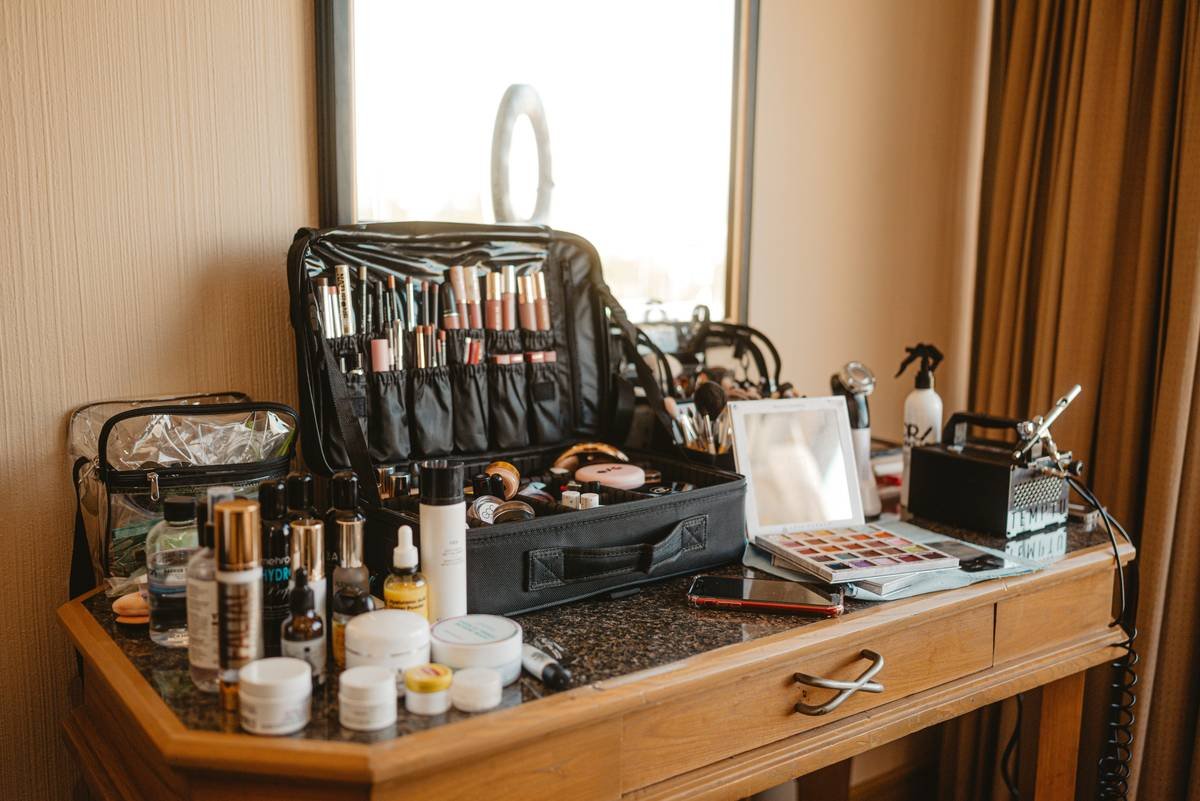
I learned this the hard way during my stint as a freelance makeup artist in New York. One sweltering July, I stored my entire kit—including vitamin C serums and liquid foundations—in an open acrylic carousel on my sunlit vanity. Two weeks later? My beloved serum oxidized into muddy brown sludge, and my foundation separated like curdled milk. RIP $98 skincare investment.
This isn’t just about aesthetics—it’s science. According to the Journal of Clinical and Aesthetic Dermatology, exposure to UV light and temperatures above 77°F (25°C) accelerates the degradation of active ingredients like retinol, niacinamide, and hyaluronic acid. Meanwhile, humid environments (think: bathrooms) promote microbial growth in water-based products.
And it’s not just efficacy—you’re risking skin health. The American Academy of Dermatology warns that improperly stored cosmetics can harbor bacteria like Staphylococcus and Pseudomonas, leading to folliculitis, acne, and even eye infections.
Grumpy You: “Ugh, so now I can’t keep my blush where I can see it?”
Optimist You: “You absolutely can—but let’s get strategic about where and how.”
How to Choose the Perfect Cosmetic Storage System (Without Wasting $100)
Forget “one organizer fits all.” The right cosmetic storage depends entirely on three factors: your space, product types, and usage patterns.
Step 1: Audit Your Collection Like a Pro
Pour everything out onto a clean towel. Sort into categories: Daily Use, Occasional, Skincare Actives, Tools/Bulky Items. Toss anything expired (most liquids last 6–12 months after opening; powders up to 2 years). Be ruthless.
Step 2: Match Storage Type to Product Needs
- Skincare actives (vitamin C, retinol): Store in opaque, airtight containers away from windows. Consider a small fridge drawer or cool closet.
- Liquid makeup (foundation, mascara): Keep upright in ventilated drawers to prevent leakage and bacterial ingress.
- Powders & palettes: Open trays are fine—light won’t ruin them.
- Brushes & sponges: Store bristle-up in breathable holders; never sealed in plastic.
Step 3: Pick the Right Material
Avoid cheap plastic—it yellows, cracks, and leaches chemicals. Instead:
- Bamboo or wood: Sustainable, moisture-resistant, naturally antimicrobial.
- Acrylic (food-grade): Only if kept in low-light areas.
- Metal (stainless steel): Ideal for humid bathrooms—rust-proof and easy to sanitize.
Anti-Advice Alert: Don’t buy a 5-tier rotating tower “just because it’s trendy.” If you only use 12 products daily, you’ll waste space and create dust traps. Less is more.
5 Dermatologist-Approved Cosmetic Storage Best Practices
These aren’t just organizational hacks—they’re skin health essentials.
- Never store makeup in the bathroom. Humidity from showers promotes mold. Move essentials to a bedroom drawer instead.
- Sanitize organizers monthly. Wipe with 70% isopropyl alcohol—especially brush holders and sponge compartments.
- Use UV-protective cases for travel. Clear pouches degrade actives; opt for opaque, padded cases.
- Label expiration dates. Use a fine-tip marker on product bottoms—most have a PAO symbol (e.g., “12M” = 12 months after opening).
- Store vertically, not stacked. Stacking jars traps heat and blocks airflow, accelerating spoilage.
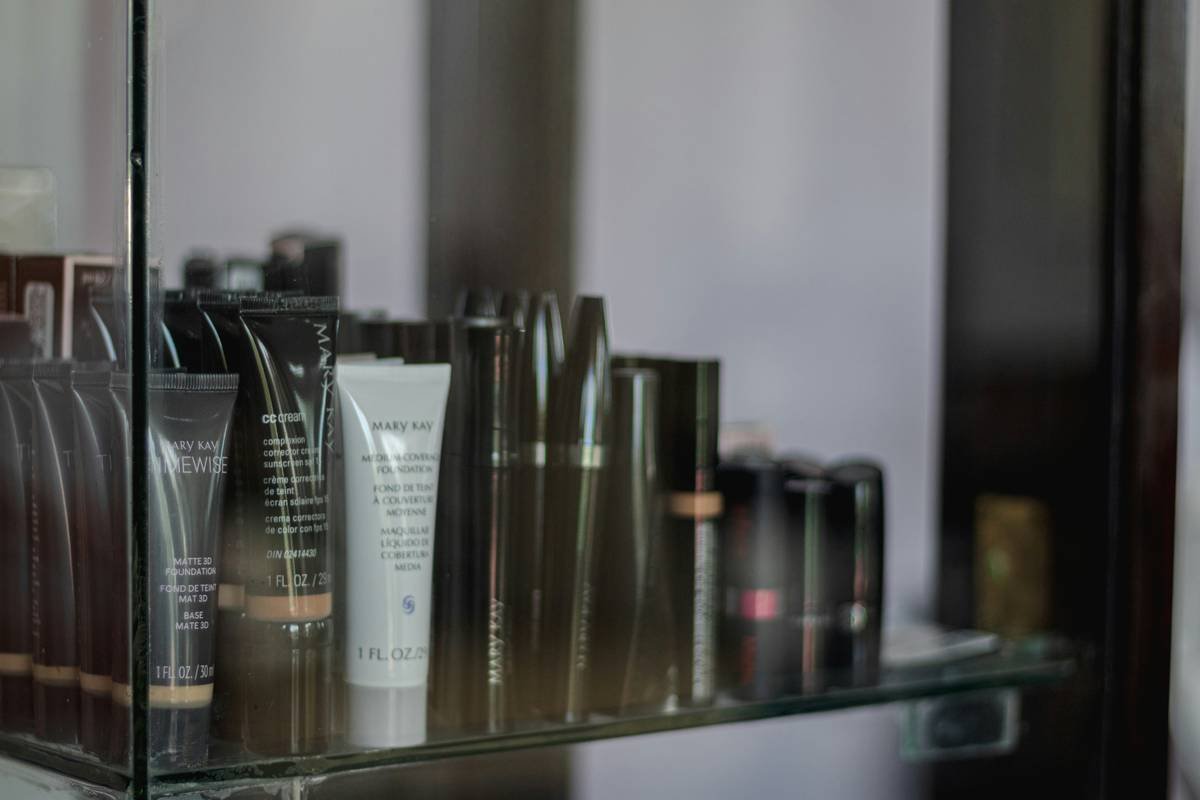
Case Study: From Chaos to Calm in 48 Hours
Last winter, my client Lena—a busy ER nurse with 200+ beauty products—was drowning in disarray. Her vanity looked like a Sephora exploded. Worse, she kept getting mysterious cheek rashes.
We implemented a three-zone system:
- Zone 1 (Daily Essentials): Bamboo drawer organizer in her bedroom, holding cleanser, moisturizer, CC cream, and 3 go-to lipsticks.
- Zone 2 (Actives): Mini skincare fridge ($45 on Amazon) for retinol, vitamin C, and peptide serums.
- Zone 3 (Occasional/Luxury): Labeled bins under the bed for seasonal items and travel kits.
Within two weeks, her skin cleared up. She saved 11 minutes per morning getting ready—and hasn’t repurchased a single duplicate since.
“It sounds dramatic,” she told me, “but organizing my cosmetic storage literally changed my skin.”
Cosmetic Storage FAQs—Answered Honestly
Can I store makeup in the fridge?
Yes—but only certain items. Skincare actives (vitamin C, retinol), facial mists, and sheet masks benefit from cool temps. Avoid refrigerating oils, waxes, or waterproof mascaras—they can separate or harden.
How often should I clean my makeup organizers?
Monthly. Bacteria builds up fast—especially around sponge wells and brush holders. Use 70% isopropyl alcohol, not just soap and water.
Are acrylic organizers safe?
Food-grade acrylic is non-toxic, but it offers zero UV protection. Fine for powders and tools, but never for serums or liquid foundations exposed to sunlight.
What’s the best storage for tiny apartments?
Vertical wall-mounted racks or over-door organizers free up counter space. Just ensure they’re in a cool, dry spot—not above the shower!
Final Thoughts
Great cosmetic storage isn’t about pretty boxes—it’s about protecting your skin, saving time, and honoring the investment you’ve made in your beauty routine. By choosing purpose-driven organizers, respecting ingredient science, and maintaining hygiene, you’ll transform clutter into calm.
Remember: your skincare and makeup work hardest when stored right. Don’t let poor organization dull their magic.
Like a 2000s Tamagotchi, your cosmetic storage needs daily attention—or it’ll glitch out on you.
Brushes stand upright,
Serums sleep in cool, dark drawers—
Peace blooms on your face.