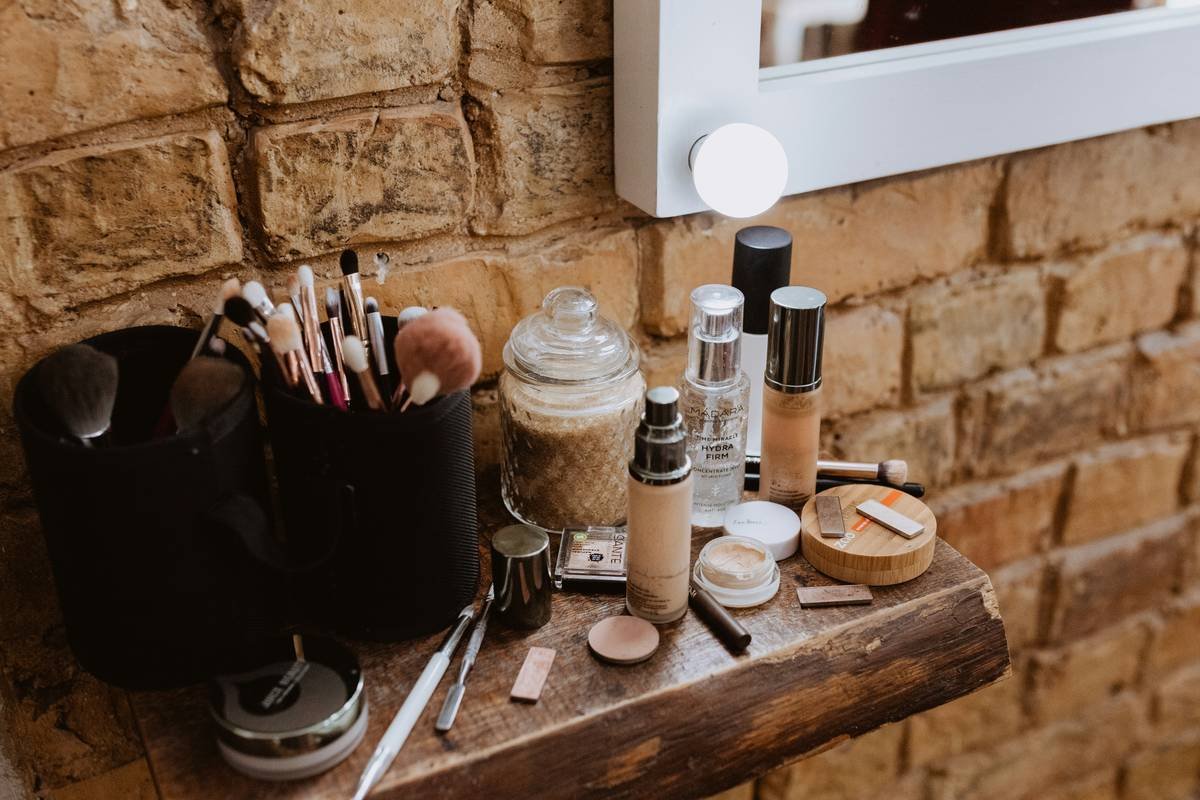
Ever rummaged through a drawer at 7 a.m., frantically hunting for your favorite concealer—only to find it buried under a crumbled receipt, a dried-out eyeliner, and three mismatched bobby pins? You’re not alone. A Statista report estimates that the average U.S. consumer owns over 40 individual beauty products. Without smart organization, that collection becomes chaos.
This post cuts through the clutter. Whether you’re a makeup minimalist or a full-face glam enthusiast, you’ll learn how to choose, use, and love your ideal makeup storage case—based on real-world testing, dermatologist-approved hygiene standards, and lessons learned from my own glitter-spill disasters. We’ll cover: what features actually matter, which materials prevent product degradation, top organizer types for different lifestyles, and even how improper storage can shorten the shelf life of your serums and foundations.
Table of Contents
- Why Your Makeup Storage Case Isn’t Just About Tidiness
- How to Pick the Perfect Makeup Storage Case for Your Routine
- 5 Non-Negotiable Best Practices for Long-Term Organization
- Real People, Real Results: Organizer Transformations That Worked
- Makeup Storage Case FAQs—Answered by a Pro
Key Takeaways
- A poor-quality makeup storage case can expose products to heat, humidity, and light—accelerating spoilage (especially for water-based formulas).
- Acrylic organizers are sleek but scratch easily; velvet-lined cases protect delicate compacts but trap dust if not cleaned weekly.
- Travel vs. vanity organizers serve fundamentally different purposes—don’t try to force one to do both.
- According to cosmetic chemist Krupa Koestline (Allure, 2023), storing makeup above 86°F (30°C) degrades preservatives faster.
- The #1 mistake? Overfilling. Leave 20% breathing room to prevent cross-contamination and breakage.
Why Your Makeup Storage Case Isn’t Just About Tidiness
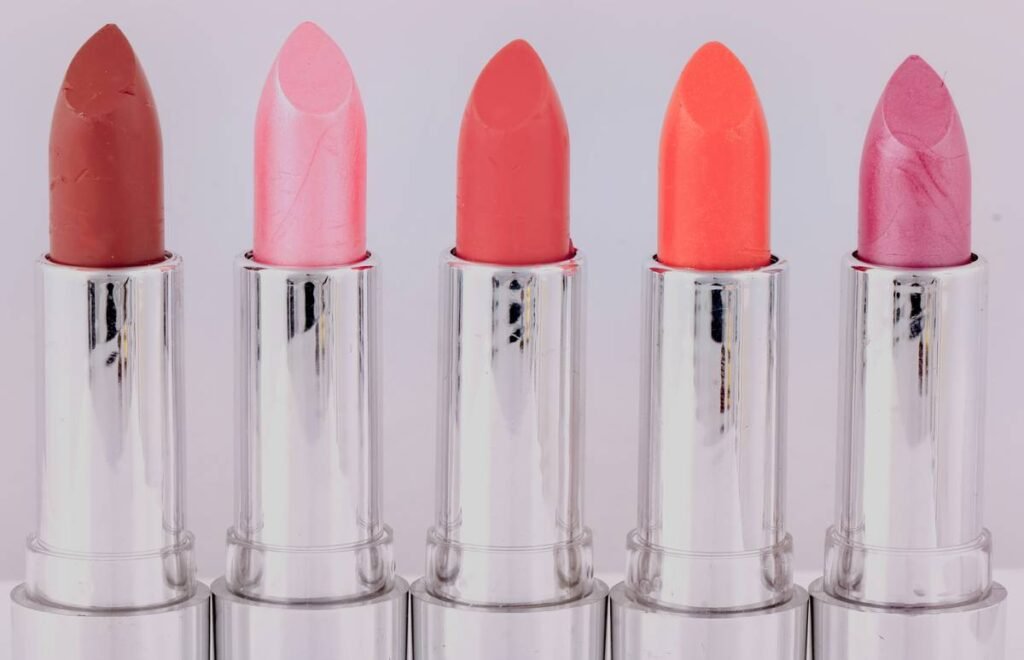
Let’s be brutally honest: I once lost a $58 Tom Ford lipstick in a black mesh pouch for three months. When I finally found it, the bullet had melted into a waxy puddle next to a leaking serum. Not cute. That disaster taught me that makeup organization isn’t about Instagrammable vanity shots—it’s about preserving your investment, maintaining hygiene, and saving your sanity during rushed mornings.
Beyond aesthetics, proper storage directly impacts product efficacy and skin health. The FDA notes that exposure to fluctuating temperatures and direct sunlight can cause microbial growth in cosmetics—even before the expiration date. And let’s not forget cross-contamination: tossing blush brushes next to liquid lipsticks invites bacteria parties no dermatologist would RSVP to.
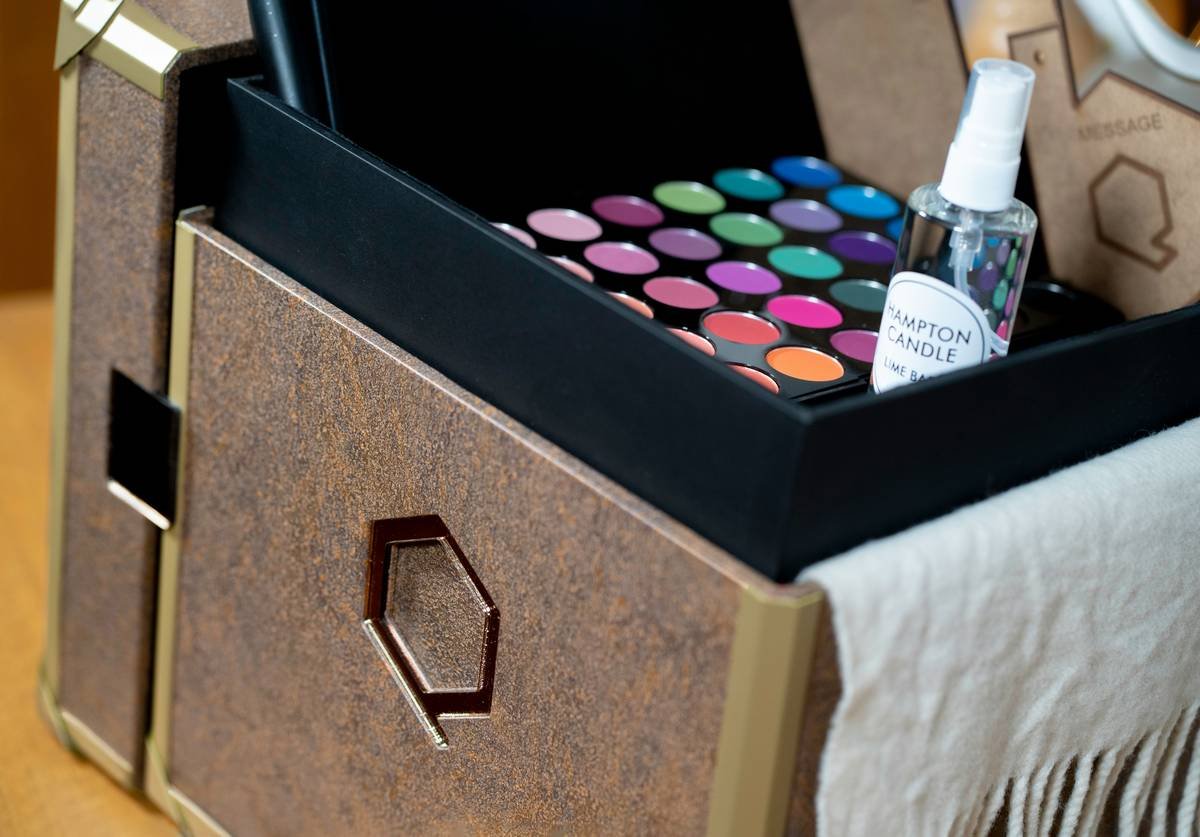
Optimist You: “A tidy case = fresher products and clearer skin!”
Grumpy You: “Ugh, fine—but only if it doesn’t require folding tiny sponges like origami.”
How to Pick the Perfect Makeup Storage Case for Your Routine
What should I prioritize: portability, capacity, or material?
If you travel weekly (hi, flight attendants and sales reps!), opt for a hard-shell, TSA-friendly case with spill-proof compartments. Brands like Zober and MUMU offer lightweight polycarbonate options with elastic brush straps. For home use, consider stackable acrylic drawers—they’re transparent (no more guessing games) and modular.
Does the interior lining really matter?
Absolutely. Velvet or felt linings cushion fragile compacts but collect powder residue. Wipe them down weekly with a microfiber cloth dampened with distilled water. Glossy plastic interiors? Easy to sanitize but slippery—your eyeshadow palettes will slide around during transport. My go-to: removable silicone trays. Pop them out for a quick rinse, then air-dry.
How much space do I actually need?
Less than you think. Overstuffing = crushed products and frustrated mornings. Measure your largest item (usually a foundation bottle or palette), then add 1.5 inches of clearance on all sides. Most daily users thrive in cases with 8–12 compartments; collectors might need expandable systems like the Luxx Beauty Tower.
5 Non-Negotiable Best Practices for Long-Term Organization
- Label everything: Use washi tape or removable stickers for expiry dates. Water-based products last 6–12 months; powders up to 2 years.
- Clean monthly: Sanitize with 70% isopropyl alcohol (not bleach—it reacts with metals). Let dry completely before reloading.
- Store vertically: Foundations and serums degrade faster when stored on their sides. Keep bottles upright.
- Rotate seasonally: Swap out heavy winter creams for lighter summer formulas. Store off-season items in a cool, dark closet—not your sunlit bathroom.
- Never mix clean and used tools: Dedicate separate sections for fresh sponges vs. brushes-in-waiting. Cross-use = breakout city.
Real People, Real Results: Organizer Transformations That Worked
Case Study 1: The Minimalist Makeover
Sarah K., a NYC nurse, carried 15+ products in a worn canvas pouch. After switching to a compact, mirrored makeup storage case with magnetic closures (the TraysBeauty Mini Vault), she reduced her routine to 8 essentials—and cut her morning prep from 20 to 7 minutes. Bonus: the UV-resistant coating preserved her vitamin C serum color for 4+ months.
Case Study 2: The Pro Artist’s Solution
Makeup artist Diego R. tested 12 organizers during Fashion Week 2023. His winner? The Z&L Rolling Cosmetic Cart—thanks to lockable drawers, anti-tip wheels, and a built-in LED light. “It survived back-to-back shows, airport security, and a spilled coffee incident,” he told me. “Zero product loss.”
Makeup Storage Case FAQs—Answered by a Pro
Can I store skincare and makeup in the same case?
Only if they’re separated by airtight barriers. Skincare often contains active ingredients (like AHAs) that can react with makeup pigments. Plus, oils from moisturizers attract dust to powders.
Are clear cases bad for light-sensitive products?
Yes—if they’re placed near windows. Amber-tinted or opaque cases are better for retinoids, vitamin C, and SPF. If you love acrylic organizers, keep them inside a closed cabinet.
How do I organize loose powders without spills?
Use jars with screw-top lids or press powders into empty metal pans. Never store them loose in open trays—humidity turns them into cement.
What’s the biggest “terrible tip” you’ve heard?
“Just toss everything in a pencil case!” Nope. Pencil cases lack ventilation, trap moisture, and have zero compartmentalization. You’ll end up with smudged eyeliners and contaminated brushes. Hard pass.
Final Thoughts
Your makeup storage case is more than a container—it’s a preservation system, a time-saver, and a secret weapon for flawless application. By choosing the right size, material, and layout for your lifestyle (and cleaning it like your skin depends on it—because it kinda does), you’ll extend product life, reduce waste, and start every day with calm instead of chaos.
Now go rescue that lost lipstick. It’s waiting.
Like a Lisa Frank trapper keeper, your makeup case deserves joy + function.
Haiku Break:
Lipstick rolls away—
Case with soft slots holds it tight.
Morning wins today.