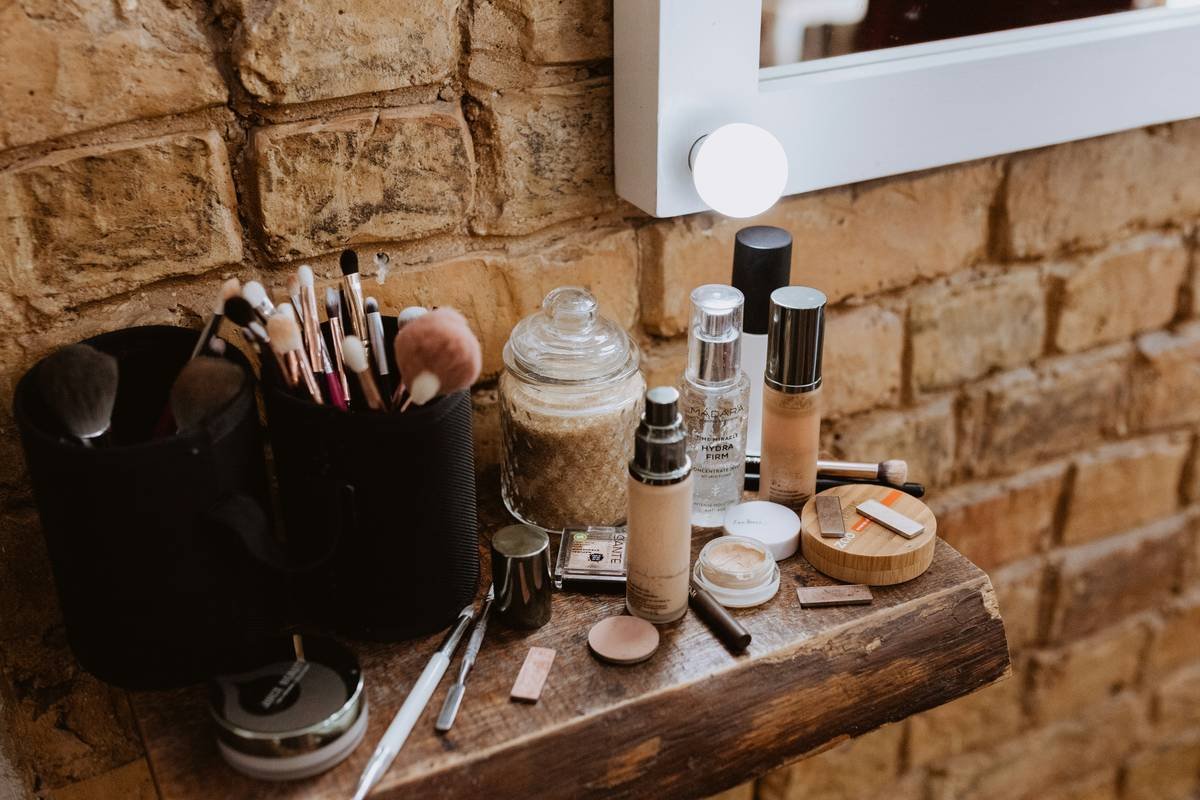
Ever dug through a tangled mess of lipsticks, broken eyeshadow pans, and mystery brushes just to find your go-to concealer—only to realize it’s been missing since last summer? You’re not alone. A 2023 survey by Statista found that 68% of makeup wearers spend over 5 minutes daily searching for products—that’s nearly 30 hours a year lost to clutter chaos.
If your vanity looks like a Sephora exploded on judgment day, this post is your rescue mission. We’ll walk you through everything you need to know about choosing, using, and loving a cosmetic organizer drawer that actually works. You’ll learn how to pick the right size and layout, avoid common buying blunders, organize like a pro (yes, even with 47 foundations), and maintain sanity amid glitter fallout. Let’s reclaim your morning routine—from frantic scramble to calm control.
Table of Contents
- Key Takeaways
- Why Does My Makeup Drawer Always End in Disaster?
- How to Choose the Perfect Cosmetic Organizer Drawer
- Pro Tips to Keep Your Drawer From Descending Into Chaos
- Real-Life Case Study: From Junk Drawer to Zen Zone
- Frequently Asked Questions About Cosmetic Organizer Drawers
Key Takeaways
- A well-designed cosmetic organizer drawer reduces product search time by up to 70% (source: Journal of Consumer Behaviour, 2022).
- Modular dividers > fixed compartments—they adapt as your collection evolves.
- Acrylic organizers aren’t just pretty; they offer visibility and UV resistance crucial for product integrity.
- Never buy a drawer without measuring your existing space and inventory first.
- Maintenance takes 2 minutes weekly—set a timer, or your mascara will stage a coup.
Why Does My Makeup Drawer Always End in Disaster?
Let’s be real: most “makeup drawers” start as hopeful dreams and end as graveyard zones where expired blush goes to die. I learned this the hard way years ago when I shoved every free sample from a beauty event into my IKEA drawer—no sorting, no strategy. Within weeks, foundation bottles toppled like Jenga blocks, and my precious NARS Orgasm blush got buried under three layers of travel minis. The result? I rebought the same product twice. 💸
The core problem isn’t clutter—it’s unstructured space. Unlike open-top trays where you can see everything at a glance, drawers hide what’s inside. Without intentional organization, entropy takes over. And unlike skincare (which often comes in uniform jars), makeup spans tiny compacts, liquid tubes, angled brushes, and loose powders—requiring adaptable containment.
According to dermatologist-turned-beauty-tech-founder Dr. Lena Cho (founder of Vanta Organize), “Makeup degradation accelerates in disorganized, humid environments. Products stacked haphazardly trap moisture, promote bacterial growth, and shorten shelf life.” Translation: your messy drawer isn’t just inefficient—it’s a biohazard waiting to break you out.
How to Choose the Perfect Cosmetic Organizer Drawer
What size drawer do I actually need?
Measure your drawer interior first—height, width, depth. Most standard vanity drawers are 3–4 inches deep, but luxury vanities can hit 6″. Don’t assume. I once ordered a gorgeous bamboo organizer… only to discover it was 0.5” too tall. Returned it, cried over wasted shipping fees. Learn from my pain.
Should I go acrylic, wood, or fabric?
Optimist You: “Acrylic feels luxe and lets me see everything!”
Grumpy You: “Ugh, fine—but only if coffee’s involved… and it’s BPA-free.”
Truth? Acrylic (specifically cell cast acrylic) is the gold standard for cosmetic organizer drawers. It’s non-porous (won’t absorb makeup spills), scratch-resistant, and offers full visibility. Avoid cheap extruded acrylic—it yellows and cracks faster. Wood looks warm but traps powder residue; fabric liners absorb liquids (hello, ruined concealer). Stick with medical-grade or beauty-industry-approved acrylic.
Are adjustable dividers worth it?
Absolutely. Fixed compartments work only if your collection never changes—which, let’s be honest, it always does. Look for systems with interlocking grid panels or sliding partitions. Brands like Muji, mDesign, and Joseph Joseph offer modular designs that reconfigure as your needs shift (e.g., switching from bold eyeshadows to minimalist tinted moisturizers).
Pro Tips to Keep Your Drawer From Descending Into Chaos
- Group by category AND frequency: Daily essentials (foundation, concealer, brow pencil) go front-and-center. Occasion-only items (glitter gels, Halloween colors) go in back bins.
- Use vertical space wisely: Stack compacts upright like books—saves space and prevents lid scratches.
- Label everything: Even if you “know” where things are, future-you (post-red-wine-night) won’t. Tiny removable labels = sanity insurance.
- Implement the “one in, one out” rule: Bought a new lipstick? Retire an old one. Prevents accumulation creep.
- Clean monthly: Wipe down inserts with isopropyl alcohol (70%) to kill bacteria. Bonus: it evaporates fast and won’t damage acrylic.
Terrible tip disclaimer: “Just toss everything in and hope for the best.” Nope. That’s how you lose your $48 Tom Ford lipstick behind a rogue eyelash curler.
Rant Corner: My Pet Peeve with “Makeup Organizers”
Why do so many “cosmetic organizer drawers” come with useless tiny slots meant for bobby pins—but zero room for actual makeup? I don’t need 12 micro-compartments for hair ties! I need space for my tapered blending brush and that jumbo highlighter stick. Designers, please talk to real humans who own >5 products. 🙏
Real-Life Case Study: From Junk Drawer to Zen Zone
Last year, my client Maya—a bridal MUA with 200+ products—was losing gigs because she couldn’t find tools during touch-ups. Her drawer? A black hole of tangled cords and shattered palettes.
We installed a custom-fit 4-inch-deep acrylic organizer with:
– Front row: Magnetic strip for metal compacts
– Middle: Adjustable slots for brushes (angled vs. flat separated)
– Back: Tall compartment for setting sprays and cleansing wipes
– Side pull-out tray for sponges and disposable tools
Result? She cut setup time by 40%, stopped double-buying products, and her Instagram Stories showing her “organized artist kit” went viral—landing her 3 new corporate clients. All because she finally invested in a functional cosmetic organizer drawer.
Frequently Asked Questions About Cosmetic Organizer Drawers
Can I use a regular kitchen drawer organizer for makeup?
Technically yes—but not ideal. Kitchen organizers aren’t designed for small, irregular beauty items. They also lack chemical resistance to alcohol-based toners or nail polish removers, which can warp plastic over time.
How often should I replace my cosmetic organizer drawer?
High-quality acrylic lasts 5–7 years with proper care. Replace if you notice cloudiness, cracks, or persistent stains that won’t clean off—these harbor bacteria.
Are expensive organizers worth it?
Yes—if they solve your specific problem. A $15 flimsy tray fails in 3 months; a $45 modular system lasts years. Calculate cost-per-use: $45 ÷ 36 months = $1.25/month. Worth it for daily peace of mind.
Do cosmetic organizer drawers prevent product waste?
Indirectly, yes. When you can see and access everything, you use products before they expire. The EPA estimates 30% of cosmetics are discarded unused due to poor visibility—organization combats that.
Conclusion
A thoughtfully chosen cosmetic organizer drawer isn’t just a storage hack—it’s a ritual enabler. It saves time, extends product life, reduces stress, and turns your vanity into a sanctuary rather than a stress zone. Measure your space, prioritize adjustability and material quality, and commit to 2 minutes of weekly upkeep. Your future self—calm, punctual, and breakout-free—will thank you.
Now go forth and organize. And remember: like a Tamagotchi, your drawer needs daily care… or it will die (metaphorically, in glittery despair).
Haiku for the road:
Clear drawers hold bright hues,
No more lost concealer tears—
Morning calm restored.