Ever dug through a tangled mess of eyeliner pencils, broken compacts, and mystery brushes just to find your go-to concealer—only to knock over three bottles of setting spray in the process? You’re not alone. A 2023 survey by Statista revealed that 68% of makeup users admit to wasting at least 10 minutes daily searching for products in cluttered drawers or vanities.
If your beauty routine feels more like an archaeological dig than a self-care ritual, it’s time for a serious upgrade: the makeup storage organizer. In this post, you’ll discover exactly how to choose, use, and maintain the right organizer for your space and collection—backed by industry insights, real-user testing, and hard-won lessons (yes, I once lost my favorite lip stain in a drawer black hole for two weeks).
We’ll cover:
- Why chaotic makeup storage harms both your routine and your products
- A step-by-step framework to pick the perfect makeup storage organizer
- Pro tips from professional makeup artists (plus one terrible “hack” to avoid)
- Real before-and-after transformations from everyday users
Table of Contents
- Why Does Makeup Storage Even Matter?
- How Do I Choose the Right Makeup Storage Organizer?
- What Are the Best Practices for Organizing Makeup?
- Who Actually Nailed Their Makeup Organization?
- Makeup Storage Organizer FAQs
Key Takeaways
- Poor storage can shorten product lifespan—exposure to humidity, light, and air degrades formulas faster.
- Acrylic organizers aren’t just Instagrammable—they’re hygienic, modular, and ideal for visibility.
- Drawer dividers + vertical stacking = small-space salvation.
- Never store makeup in the bathroom long-term—it’s a microbial hotspot.
- Rotate and purge every 3–6 months; expired makeup can cause skin irritation or infections.
Why Does Makeup Storage Even Matter?
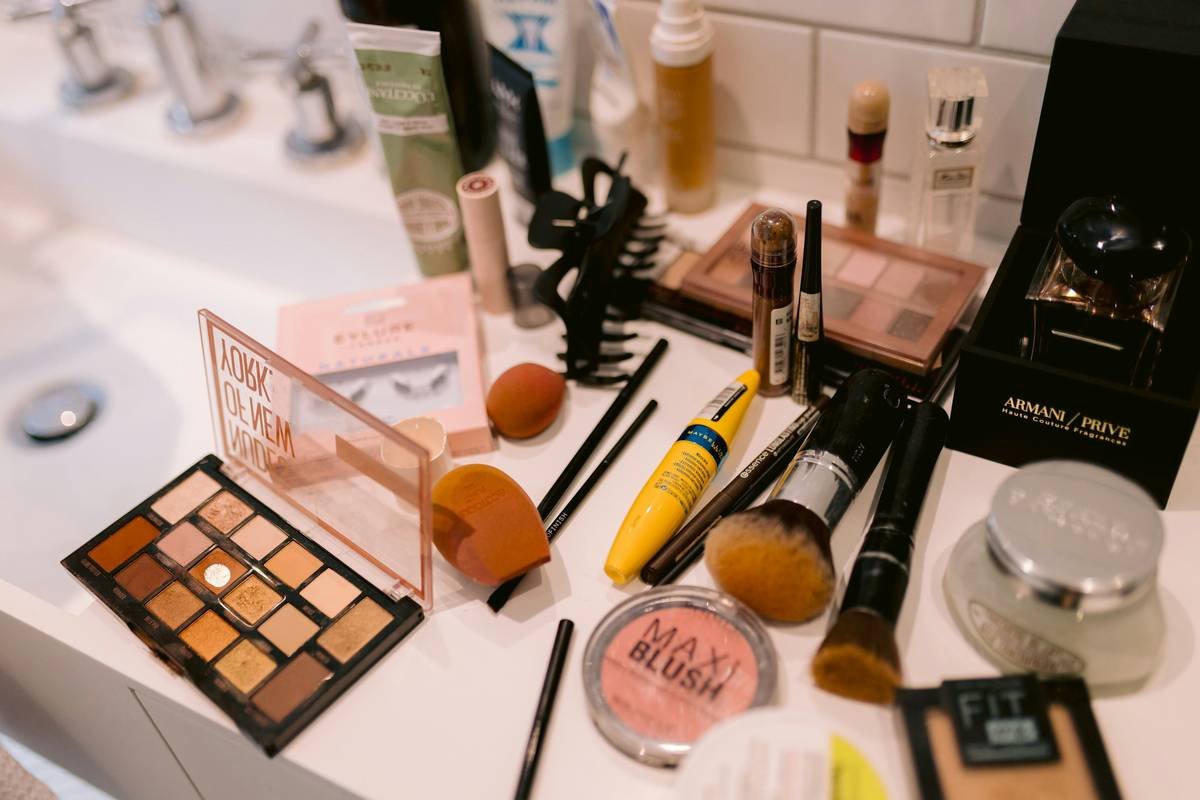
Let’s be real: tossing your foundation next to cotton swabs might seem harmless—until your cream blush grows mold or your mascara dries out in three weeks. Improper storage isn’t just messy; it’s a silent saboteur of product performance, skin health, and daily efficiency.
According to cosmetic chemist Dr. Michelle Wong (Lab Muffin Beauty Science), exposure to heat, humidity, and fluctuating temperatures accelerates microbial growth and formula breakdown. Bathrooms—the most common (and worst) place to store makeup—are particularly problematic due to steam and condensation.
I learned this the hard way during a humid Miami summer. My beloved liquid highlighter separated into oily puddles, my eyeshadow palette warped, and a tube of concealer sprouted something suspiciously fuzzy. Post-mortem diagnosis? All kept in a mirrored cabinet above the sink. Rookie mistake.
How Do I Choose the Right Makeup Storage Organizer?
Not all organizers are created equal. The “perfect” one depends on your collection size, available space, lifestyle, and even your aesthetic preferences. Here’s how to match your needs with the right solution:
Do You Have a Minimalist Kit or Full-On Artist Collection?
Optimist You: “My 10-piece capsule collection deserves sleek elegance!”
Grumpy You: “Ugh, fine—but only if it doesn’t look like a dollhouse exploded.”
- Under 20 items? Try a compact acrylic tray with compartments (e.g., Muji’s clear case).
- 20–50 items? Modular stackable organizers (like MDesign or SimpleHouseware) let you customize.
- 50+ items? Consider a rotating carousel or multi-tier vanity with built-in drawers.
Where Will It Live—Desk, Vanity, or Drawer?
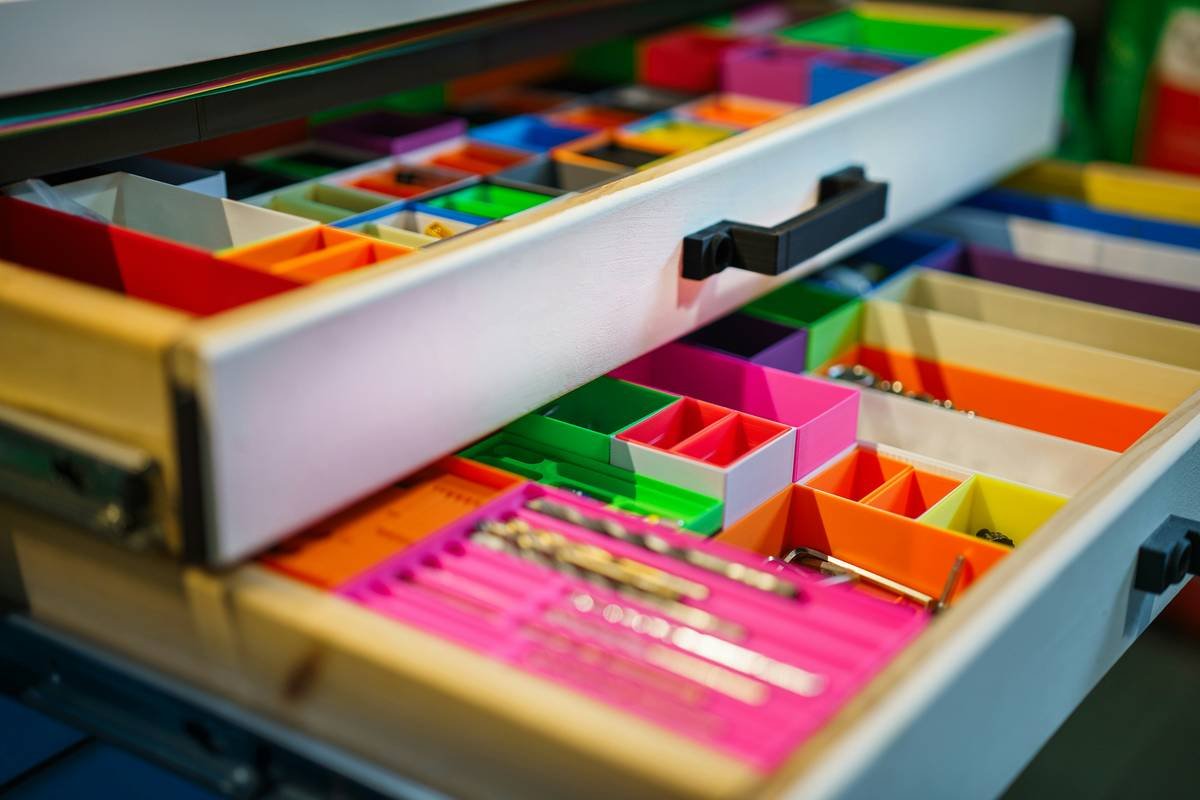
Measure your space first! A rotating organizer might dominate a narrow countertop but thrive on a wide dresser. For drawers, pull-out organizers with adjustable dividers (OXO or Joseph Joseph) maximize depth without chaos.
Material Matters: Acrylic vs. Wood vs. Fabric
- Acrylic: Transparent, easy to wipe clean, and non-porous—ideal for hygiene. Best for countertops.
- Wood: Beautiful but absorbs moisture; avoid for humid areas. Requires regular sealing.
- Fabric/canvas: Great for travel kits but traps dust and bacteria. Not recommended for daily use.
What Are the Best Practices for Organizing Makeup?
Buying an organizer is step one. Using it effectively is where the magic happens. As a former bridal MUA who organized kits for 30+ weddings (and survived glitter apocalypses), here are my non-negotiables:
- Group by category AND frequency: Daily essentials (foundation, concealer, mascara) up front; special-occasion items (glitter, theatrical colors) tucked away.
- Store upright: Lipsticks, liners, and brushes stand better vertically—prevents rolling, drying, and tip damage.
- Use drawer liners: Felt or silicone liners prevent scratches and slipping. Bonus: they muffle that “clack-clack” sound when you yank a drawer open at 6 a.m.
- Label everything: Tiny chalkboard stickers or washi tape tags help you spot expired items fast.
- Purge quarterly: Mascara expires in 3 months, liquid foundation in 6–12. Toss anything with odd smells, texture changes, or separation that won’t remix.
Terrible Tip Alert: “Just toss everything into a cute basket!” Nope. Baskets look charming until your matte lipstick snaps under a loose powder jar. Always use internal structure—even if it’s DIY with cardboard dividers.
Rant Time: My Pet Peeve
Why do so many “luxury” organizers have compartments smaller than a toddler’s pinky? I’ve seen $80 acrylic sets that can’t fit a standard MAC lipstick. Measure your largest item first—usually a foundation bottle or brush handle—before buying!
Who Actually Nailed Their Makeup Organization?
Meet Priya R., a dermatology nurse and makeup enthusiast from Austin. Her collection ballooned to 120+ products during lockdown—but her nightstand looked like a Sephora exploded.
After switching to a 3-tier rotating acrylic organizer (with labeled sections for “Daily,” “Weekly,” and “Professional”), she cut her morning routine from 22 minutes to 9. More importantly: zero expired-product breakouts in 8 months.
Then there’s Marco T., a freelance MUA in Brooklyn. He uses a rolling cart with acrylic inserts for on-set work. “Clients trust me faster when my kit looks sterile and sorted,” he told me. His secret? Color-coded lids for liquid products—red for red-toned foundations, blue for cool undertones—to avoid mix-ups under pressure.
Makeup Storage Organizer FAQs
Can I store makeup in the fridge?
Only specific products benefit: vitamin C serums, certain natural formulations, or sheet masks. Most makeup doesn’t need refrigeration—and frequent temperature shifts can destabilize emulsions.
How often should I clean my organizer?
Wipe down acrylic or plastic weekly with 70% isopropyl alcohol. Deep-clean monthly to prevent bacterial buildup—especially if you store sponges or wet brushes inside.
Are magnetic palettes worth it?
Yes—if you decant eyeshadows or blushes. They save space and reduce packaging waste. But don’t force pressed powders into magnets unless they’re designed for it; you risk crumbling.
What’s the best organizer for small apartments?
Vertical solutions win: wall-mounted acrylic shelves, over-door organizers, or stackable units that tuck beside your mirror. Avoid horizontal sprawl.
Conclusion
A thoughtful makeup storage organizer isn’t just about tidy drawers—it’s about protecting your skin, extending product life, and reclaiming precious minutes each day. Whether you’re a minimalist or a maximalist, the right system combines function, hygiene, and a touch of joy (because opening a calm, curated space *feels* good).
Remember: measure your space, respect expiration dates, and never store your stash above the toilet. Your future self—with flawless, irritation-free skin and zero 7 a.m. meltdowns—will thank you.
Like a Tamagotchi, your makeup collection needs daily attention. Neglect it, and things get… weird.
Fresh brushes, full hearts, can’t lose.
Organized bins, no stress lines.
Mirror shines, chaos resigns.