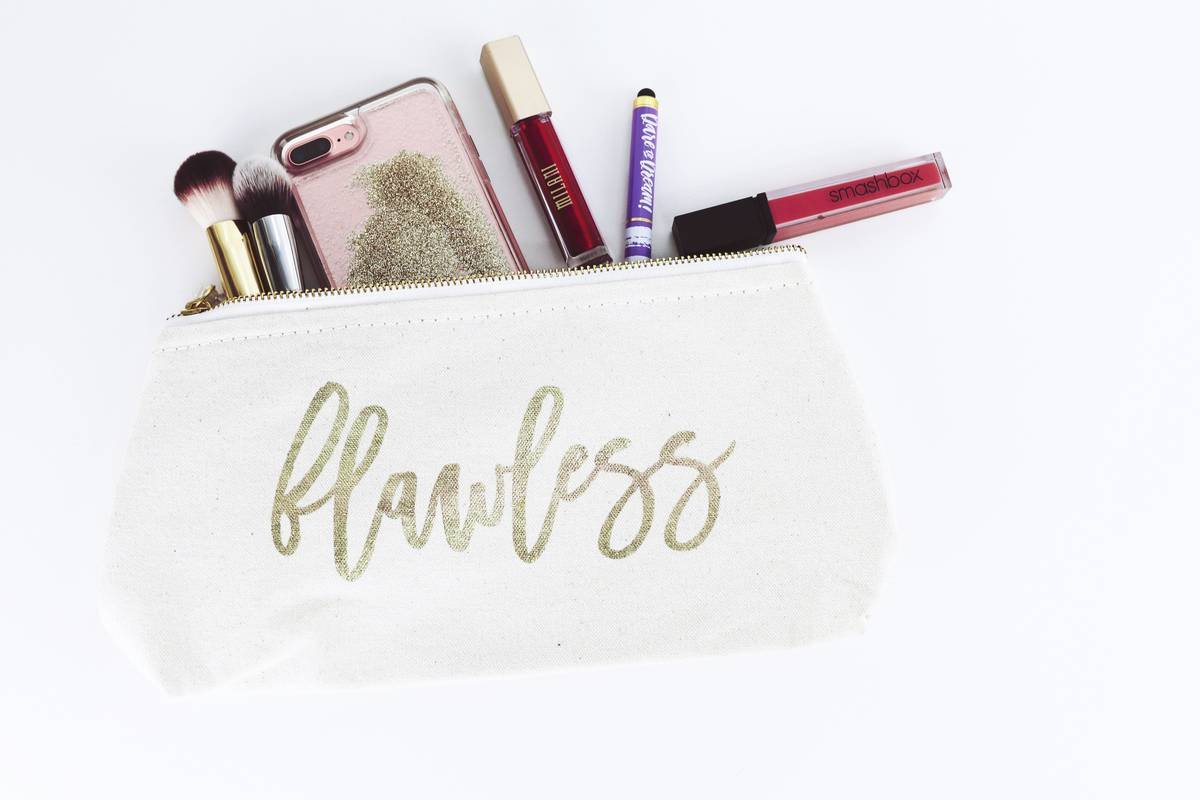
You spent $40 on a “luxury” makeup storage pouch. Yet every time you unzip it, brushes tumble out, compacts crack, and that expensive concealer leaks into your eyeshadow palette. Sound familiar? Most pouches are designed for Instagram—not real life. The fix isn’t buying more stuff. It’s rethinking what a makeup storage pouch should actually do.
The Core Problem: Why Standard Makeup Storage Pouches Don’t Work
They’re glorified drawstring bags with zero structure. Manufacturers prioritize looks over function—slim profiles, metallic zippers, faux leather exteriors. But beauty tools need compression control, spill containment, and intelligent compartmentalization. Without those, even the priciest pouch becomes chaos in motion. And let’s be honest: nobody wants to fish out a bent eyeliner pencil from a jumble of bristles and blush pans after a 3-hour commute.
How to Build a Truly Functional Makeup Storage Pouch System
Forget one-size-fits-all. Your routine dictates your storage needs. A minimalist who uses three products doesn’t need the same setup as a MUA hauling 20 brushes and seven foundations. Start by auditing your essentials—then match them to purpose-built zones.
Step 1: Categorize by Product Type and Frequency
Separate liquids, powders, tools, and palettes. Daily-use items go in quick-access pockets. Occasional-use products tuck into sealed compartments. This prevents cross-contamination—and saves 7–10 seconds every morning. That adds up to over an hour a month. The math is simple: efficiency compounds.
Step 2: Prioritize Material Over Aesthetics
Vinyl-lined interiors? Non-negotiable. They wipe clean in seconds. Water-resistant exteriors prevent rain or spilled toner from seeping through. And rigid base panels stop compacts from shattering when your bag hits the floor. Looks fade. Function lasts.
Step 3: Match Capacity to Real-World Use
Here’s where most go wrong. They buy oversized pouches “just in case.” But empty space = product movement = damage. Your pouch should feel snug—like a tailored jacket—not a duffel bag. Below is a realistic capacity guide based on actual user behavior, not marketing claims:
| User Profile | Ideal Pouch Dimensions | Max Items Recommended | Best Interior Layout |
|---|---|---|---|
| Minimalist (3–5 products) | 6″ x 4″ x 2″ | 6 | 1 main compartment + 1 brush sleeve |
| Daily Routine (6–10 products) | 8″ x 5″ x 3″ | 12 | 2 zippered sections + elastic loops |
| Pro Artist / Traveler (10+ products) | 10″ x 7″ x 4″ | 20+ | Modular trays + waterproof liquid pocket |
The Industry Secret: Pros Don’t Carry One Pouch—They Rotate Three
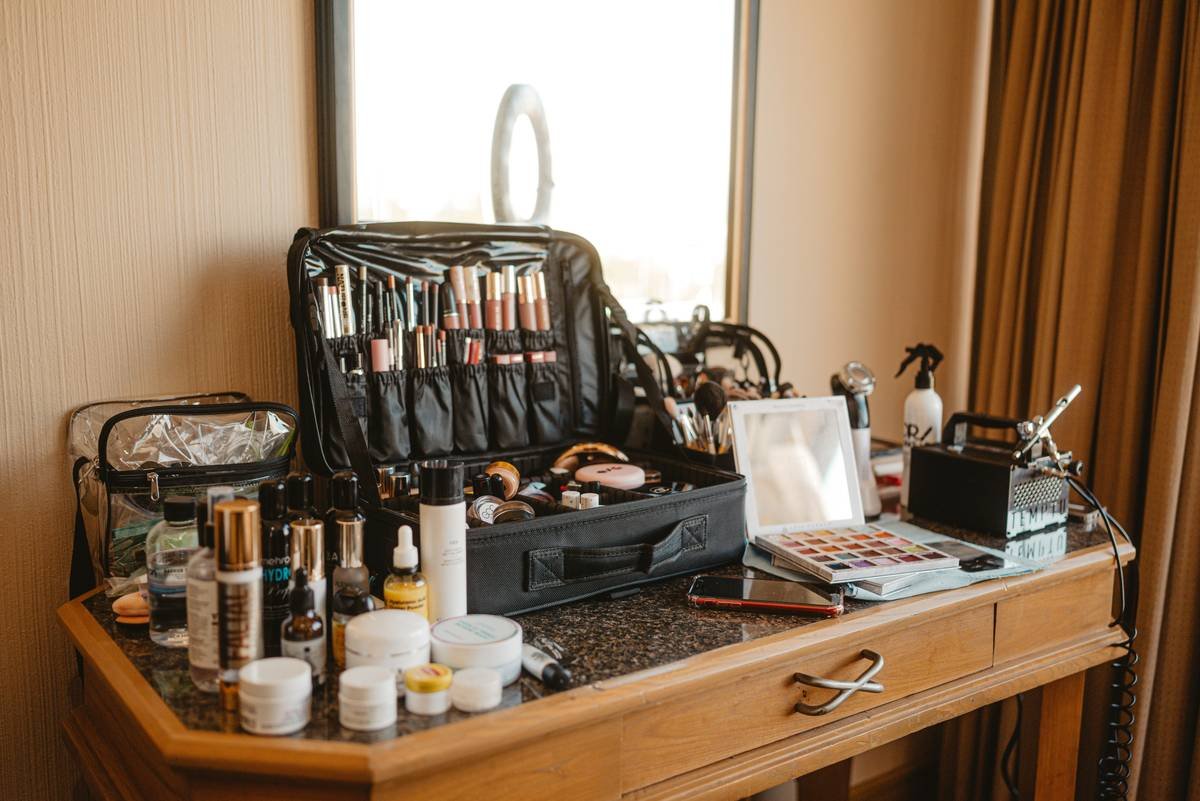
Top makeup artists never rely on a single “all-in-one” solution. Instead, they use a modular system: a slim clutch for touch-ups, a mid-size pouch for daily carry, and a hard-shell case for travel or client kits. This isn’t about excess—it’s about precision. Each serves a distinct context. And here’s the kicker: rotating pouches extends the life of both your tools and your storage. Velvety linings stay lint-free. Zippers don’t jam from overstuffing. Your concealer stays where it belongs. Think about it: would you wear the same shoes to hike, work, and a gala? Of course not. So why treat your makeup storage any differently?
Frequently Asked Questions
What’s the best material for a makeup storage pouch?
Water-resistant polyester with a wipeable vinyl or TPU interior lining—never fabric-only. It blocks spills and cleans in seconds.
Can I store liquid foundation in a makeup storage pouch?
Only if it has a sealed, leak-proof compartment. Otherwise, pressure changes during travel will cause leaks that ruin everything else.
How often should I clean my makeup storage pouch?
Wipe the interior weekly. Deep-clean monthly with mild soap—especially if you store cream or liquid products. Bacteria builds fast in dark, moist corners.