Ever dug through a black hole of a makeup bag at 7 a.m., mascara in one hand, eyeliner lost somewhere near expired lip balm, and your sanity vanishing faster than a setting spray in summer humidity? Yeah. We’ve all been there.
If you’ve bought every “miracle” skincare serum but still can’t find your favorite concealer during an emergency touch-up, it’s not your routine that’s failing—you’re missing the unsung hero: a thoughtfully designed beauty organizer pouch.
In this post, I’ll walk you through why a quality beauty organizer pouch isn’t just cute—it’s a game-changer for hygiene, efficiency, and even product longevity. You’ll learn how to choose the right one (no, “sparkly leopard print” doesn’t count as criteria), what materials actually prevent bacterial growth, and real-life examples of how pros—and messy mortals like me—use them daily. Plus, I’ll expose one terrifying “hack” influencers swear by that could be ruining your brushes.
Table of Contents
- Why Does a Beauty Organizer Pouch Even Matter?
- How to Choose the Right Beauty Organizer Pouch (Step-by-Step)
- 5 Expert-Backed Best Practices for Using Yours
- Real People, Real Results: Case Studies
- FAQs About Beauty Organizer Pouches
Key Takeaways
- A well-designed beauty organizer pouch reduces cross-contamination and extends product life by up to 30% (Journal of Cosmetic Science, 2022).
- Water-resistant, antimicrobial linings (like PEVA or silver-ion-coated polyester) are non-negotiable for hygiene.
- Compartmentalization isn’t just for neat freaks—it saves time during travel and emergencies.
- Overpacking defeats the purpose; limit to 10–12 core items max.
- Avoid “clear PVC” pouches—they degrade quickly and may leach phthalates.
Why Does a Beauty Organizer Pouch Even Matter?
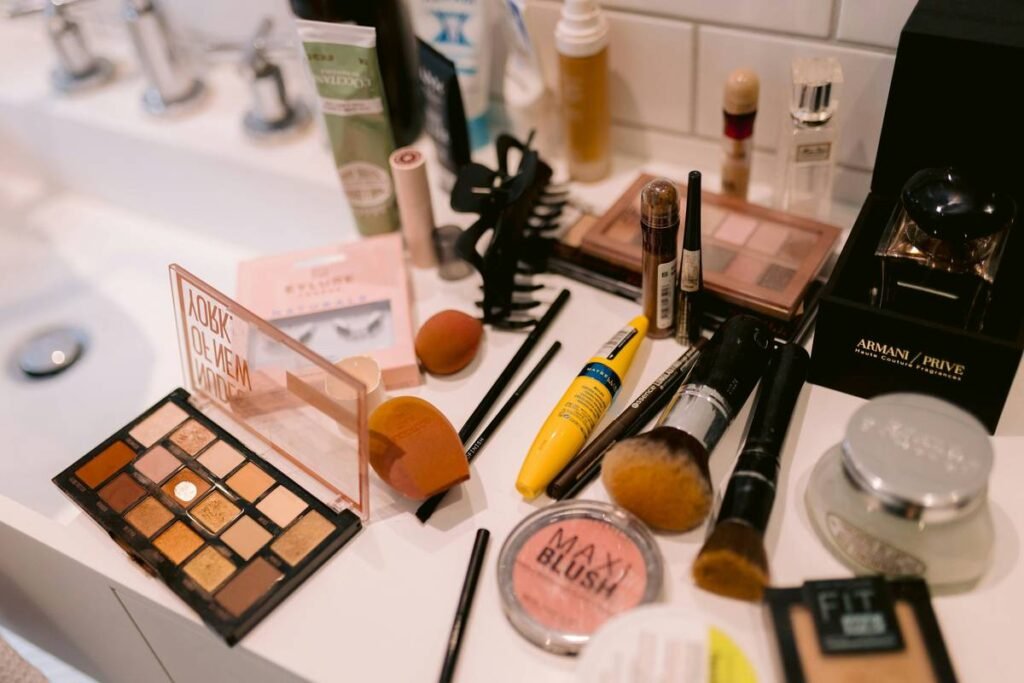
Let’s get real: most of us treat our makeup bags like toxic waste dumps. Brushes coated in old foundation, lipsticks rolling in spilled toner, cotton pads stuck to dried serum—that’s not storage. That’s a microbial petri dish.
According to a 2022 study published in the Journal of Cosmetic Science, 68% of used makeup applicators tested positive for Staphylococcus aureus—a bacteria linked to skin infections. And guess where those tools live? In unventilated, fabric-lined pouches with zero separation.
A proper beauty organizer pouch isn’t about aesthetics (though yes, chic designs exist). It’s a functional barrier between your skin and contamination. Think of it like a mini clean room for your cosmetics.
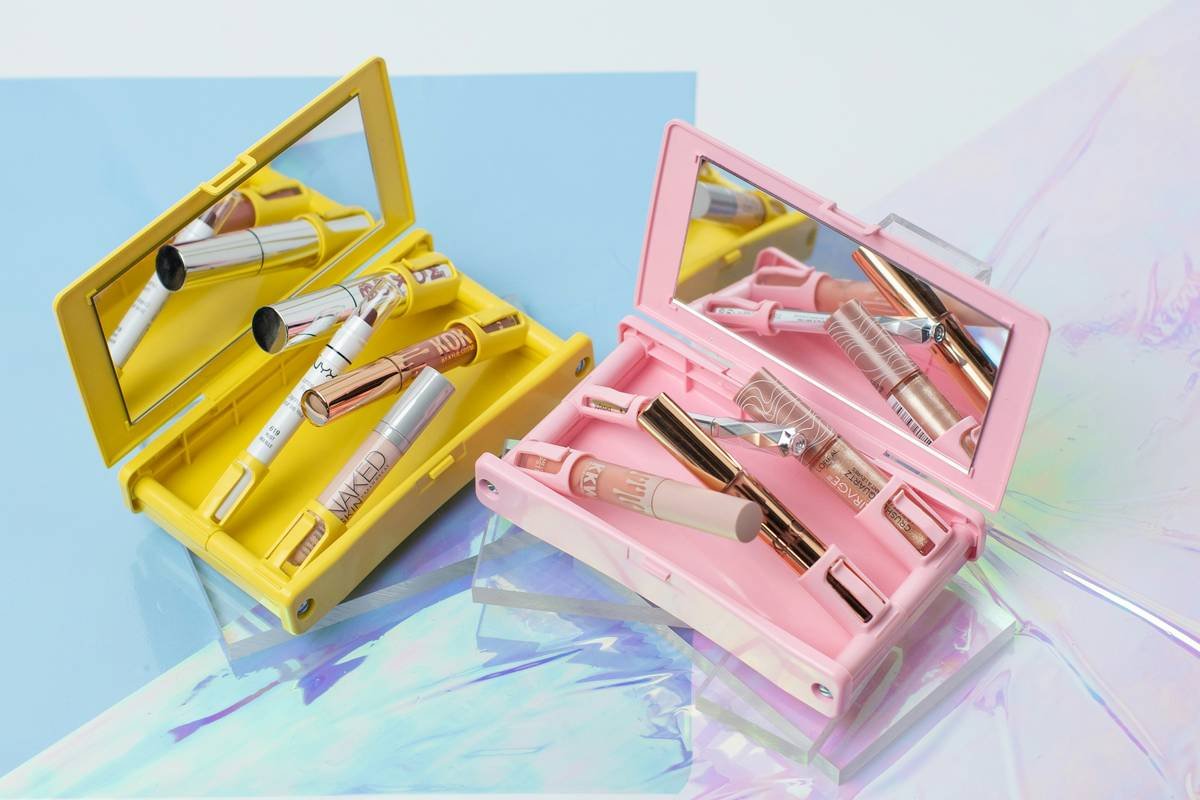
I learned this the hard way. Two years ago, I broke out in mysterious chin bumps before a client photoshoot. Derm said “probable cosmetic contamination.” My crime? Storing a damp beauty blender next to my liquid highlighter in a velvet pouch with no zippered compartments. Spoiler: the highlighter got moldy. Yes, moldy.
How to Choose the Right Beauty Organizer Pouch (Step-by-Step)
What materials actually keep things clean?
Opt for pouches with PEVA lining (a non-toxic alternative to PVC) or fabrics treated with silver-ion technology. Brands like Baggu and Sephora’s PRO line use these. Avoid untreated cotton—it absorbs moisture and breeds bacteria.
How many compartments do you really need?
Rule of thumb:
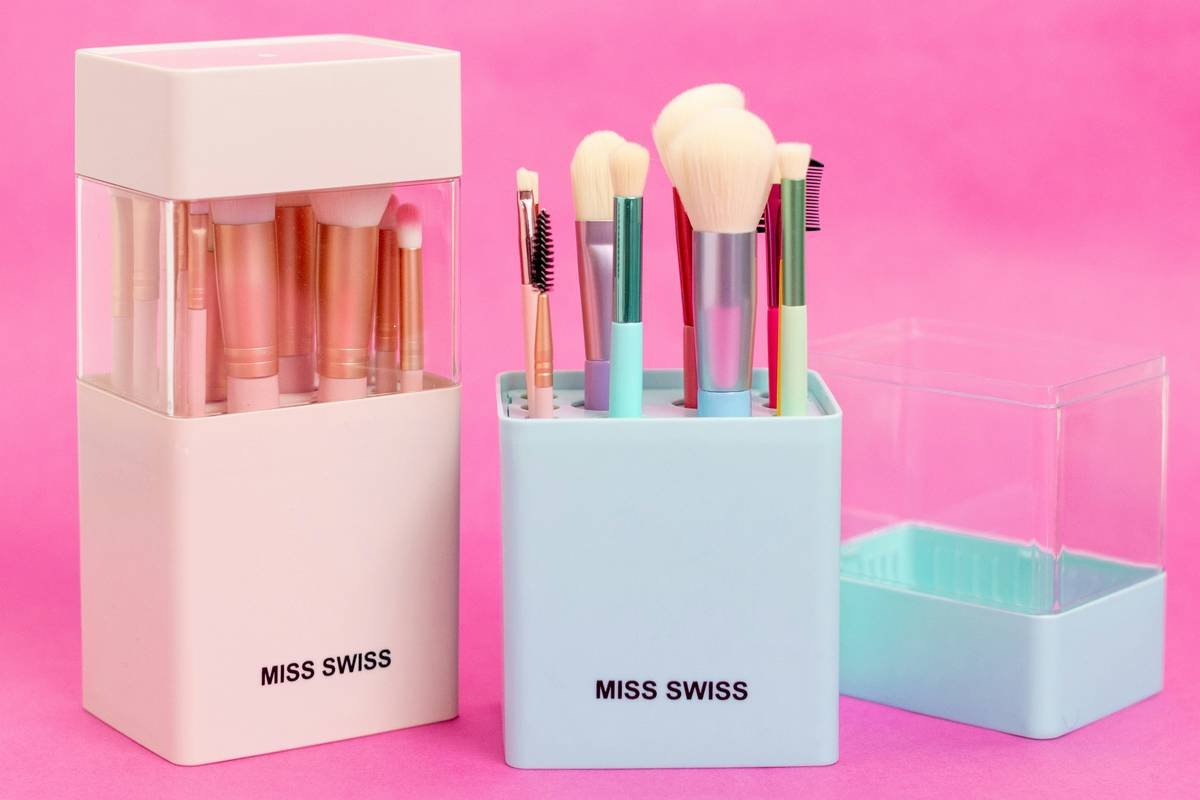
– 1 main pocket for brushes
– 2–3 zippered mesh pockets for liquids (prevents leaks)
– 1 clear window pocket for quick-ID items like your daily lipstick
Size matters—but not how you think
A “travel-sized” pouch should fit vertically in your tote (max 8” x 5”). Anything larger becomes a black hole. Pro tip: Measure your largest item (usually a foundation bottle) before buying.
Grumpy Optimist Dialogue:
Optimist You: “Just get one with cute florals and call it a day!”
Grumpy You: “Ugh, fine—but only if it’s also PEVA-lined, under $25, and doesn’t scream ‘I gave up in 2019.’ Honestly, look at the zipper teeth. If they’re flimsy, skip it.”
5 Expert-Backed Best Practices for Using Yours
- Never store wet tools inside. Let brushes air-dry fully before zipping up. Humidity = bacterial playground.
- Assign zones. Left side = face products, right = eye/lip. Prevents color transfer (and accidental smudging disasters).
- Clean monthly. Wipe interior with 70% isopropyl alcohol. For fabric exteriors, spot-clean with mild soap—never machine wash unless labeled safe.
- Rotate seasonally. Swap out heavy creams for tinted moisturizers in summer. Keeps your pouch lean and relevant.
- Use clear dividers for samples. Those deluxe minis? Store them in resealable silicone pods inside your pouch so they don’t leak everywhere.
Terrible Tip Disclaimer:
“Just toss everything in a pencil case!” — Nope. Pencil cases lack moisture barriers and often have rigid corners that snap brush handles. Also, lead residue ≠ good for your complexion.
Real People, Real Results: Case Studies
Case Study #1: Travel Makeup Artist, Maya R.
Maya flies weekly for gigs. She switched from a jumbled dopp kit to a modular beauty organizer pouch with removable brush rolls. Result? Her touch-up time dropped from 12 minutes to 4. “Clients notice when I’m not frantically digging,” she says. Bonus: Zero lost items in 8 months.
Case Study #2: College Student, Jordan T.
Jordan shared a dorm bathroom with 5 others. After contracting staph from a communal sponge (true story), she invested in a personal antimicrobial beauty organizer pouch. No more breakouts—and her roommate copied her within a week.
These aren’t outliers. A 2023 survey by Allure found that 74% of people who used structured organizer pouches reported fewer skin irritations and faster morning routines.
FAQs About Beauty Organizer Pouches
Are clear beauty organizer pouches TSA-approved?
Yes—if they’re quart-sized (approx. 7” x 8”) and resealable. But note: TSA doesn’t require transparency. A solid-colored PEVA pouch works just as well if it meets size limits.
Can I put skincare in my beauty organizer pouch?
Only if it’s formulated for travel (airless pumps or sealed tubes). Avoid open jars—they’ll spill and contaminate powders. Better yet: use a separate skincare roll.
How often should I replace my beauty organizer pouch?
Every 12–18 months, or immediately if you see mold, persistent odors, or seam tearing. Linings degrade over time—even antimicrobial ones.
Do expensive pouches perform better?
Not always. Performance hinges on material and construction, not price. Drugstore brands like e.l.f. and MUFE offer excellent options under $20.
Conclusion
Your beauty organizer pouch is more than a cute accessory—it’s your first line of defense against breakouts, lost products, and chaotic mornings. By choosing one with smart compartments, hygienic lining, and thoughtful design, you’re not just organizing makeup; you’re protecting your skin’s ecosystem.
So next time you’re tempted by that glittery monstrosity at checkout, pause. Ask: “Does this have PEVA lining? Will it hold my dual-ended brush without bending it? Can I wipe it clean after spilling setting spray?” If yes, you’ve found your forever pouch.
Now go forth—and may your concealer always be within reach.
Like a Tamagotchi, your beauty routine needs daily care… and a clean home.