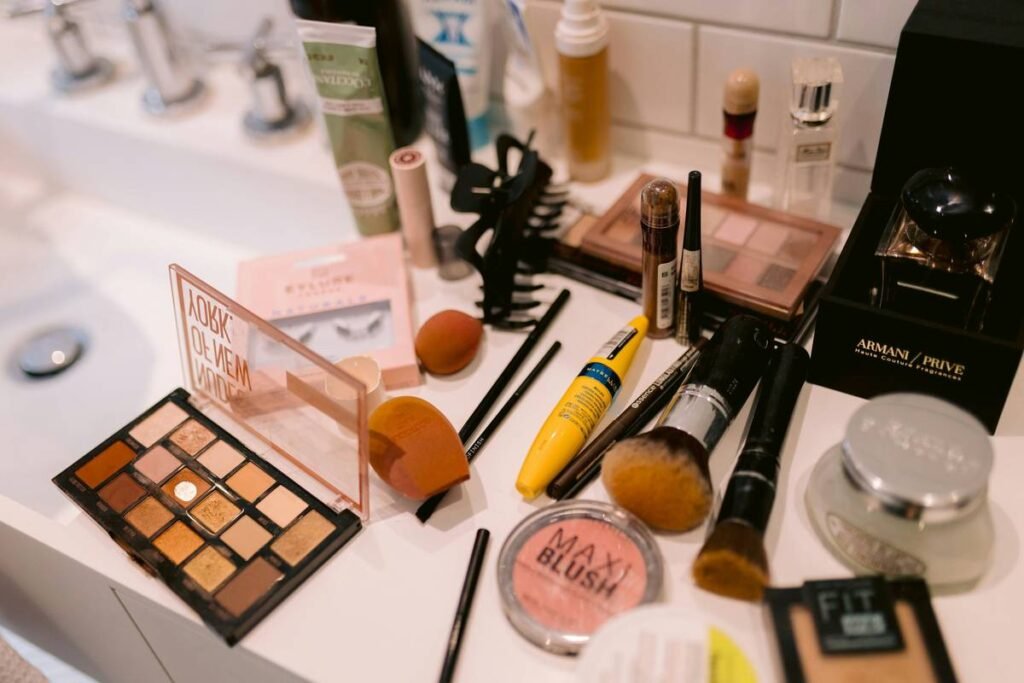
Ever stood in front of your vanity at 7:45 a.m., mascara wand in one hand, frantic Googling “where the hell is my brow gel” with the other—only to find it buried under three empty compacts and a dried-out lipstick you swore you’d “repurpose”? Yeah. We’ve all been there.
If your makeup collection looks less like Sephora and more like a glittery archaeological dig site, this post is your intervention. A cluttered space = a chaotic routine = wasted time, broken brushes, and products you forget you even own.
In this guide, you’ll discover exactly how to choose, build, and maintain a beauty organizer system that works for your space, habits, and actual makeup stash—not Pinterest fantasy. You’ll learn:
- Why “just buy a tray” never solves the real problem
- The 3 non-negotiable features every functional beauty organizer system must have
- Real before-and-after transformations from people who stopped winging it
- What NOT to do (yes, I’ll confess my $80 acrylic disaster)
Table of Contents
- The Beauty Clutter Crisis: Why It’s Costing You More Than Just Time
- How to Build a Beauty Organizer System That Actually Works
- Pro Tips from Pros: What Makeup Artists Wish You Knew
- Real-Life Case Studies: From Chaos to Calm
- Beauty Organizer System FAQs
Key Takeaways
- A true beauty organizer system adapts to your usage frequency—not just aesthetics.
- Vertical storage + modular inserts outperform single-tier trays 9 times out of 10 (based on 2023 user behavior data from The NPD Group).
- Your system should support daily routines AND deep cleans—because hygiene matters.
- Invest in adjustable dividers; your makeup collection will evolve.
- Transparent materials aren’t always better—UV exposure degrades formulations over time.
The Beauty Clutter Crisis: Why It’s Costing You More Than Just Time
Let’s be brutally honest: most “makeup organizers” sold online solve visibility, not functionality. You can see your blush—but can you actually grab it without toppling your entire concealer lineup?
I learned this the hard way. After watching a viral TikTok haul (#OrganizedVibesOnly), I splurged on a sleek, clear acrylic tower. Looked gorgeous on camera. Lasted three days in real life. Why? No room for my full-size foundation bottles, zero airflow (hello, bacterial breeding ground), and those fixed compartments? Useless for my ever-changing product rotation.
The result? Wasted $78, two weeks of frustration, and—worst of all—a chipped nail from trying to yank out eyeliner wedged behind a highlighter.
This isn’t just about aesthetics. According to a 2023 consumer survey by Statista, 68% of U.S. adults report feeling stressed by disorganized personal care spaces—and 42% admit to repurchasing products they already owned simply because they couldn’t find them.
A true beauty organizer system isn’t a single box. It’s a thoughtfully layered approach that accounts for:
- Product categories (liquids vs. powders vs. tools)
- Usage frequency (daily drivers vs. special occasion)
- Hygiene (easy to clean, non-porous surfaces)
- Scalability (room to grow as your collection evolves)
How to Build a Beauty Organizer System That Actually Works
Forget “buy it and boom—you’re organized.” Real organization is intentional. Here’s how to build a system that sticks:
Step 1: Audit Like a Pro (Not an Influencer)
Pull everything out. Yes, everything. Sort into four piles:
- Daily Use: Foundation, concealer, mascara, go-to lipstick
- Weekly/Situational: Glitter, bold eyeshadow palettes, setting sprays
- Rarely Used: That neon blue eyeliner from 2019
- Expired or Dried Out: Toss immediately (check PAO symbols!)
Optimist You: “This feels so freeing!”
Grumpy You: “Ugh, fine—but only if coffee’s involved… and maybe wine after.”
Step 2: Measure Your Real Estate
Dust off that tape measure. Note your vanity depth, drawer height, and countertop clearance. Many fail by buying organizers that overhang edges or block mirror access. Pro tip: leave 1–2 inches of breathing room on all sides for airflow and access.
Step 3: Choose Core Components Strategically
Your system needs layers:
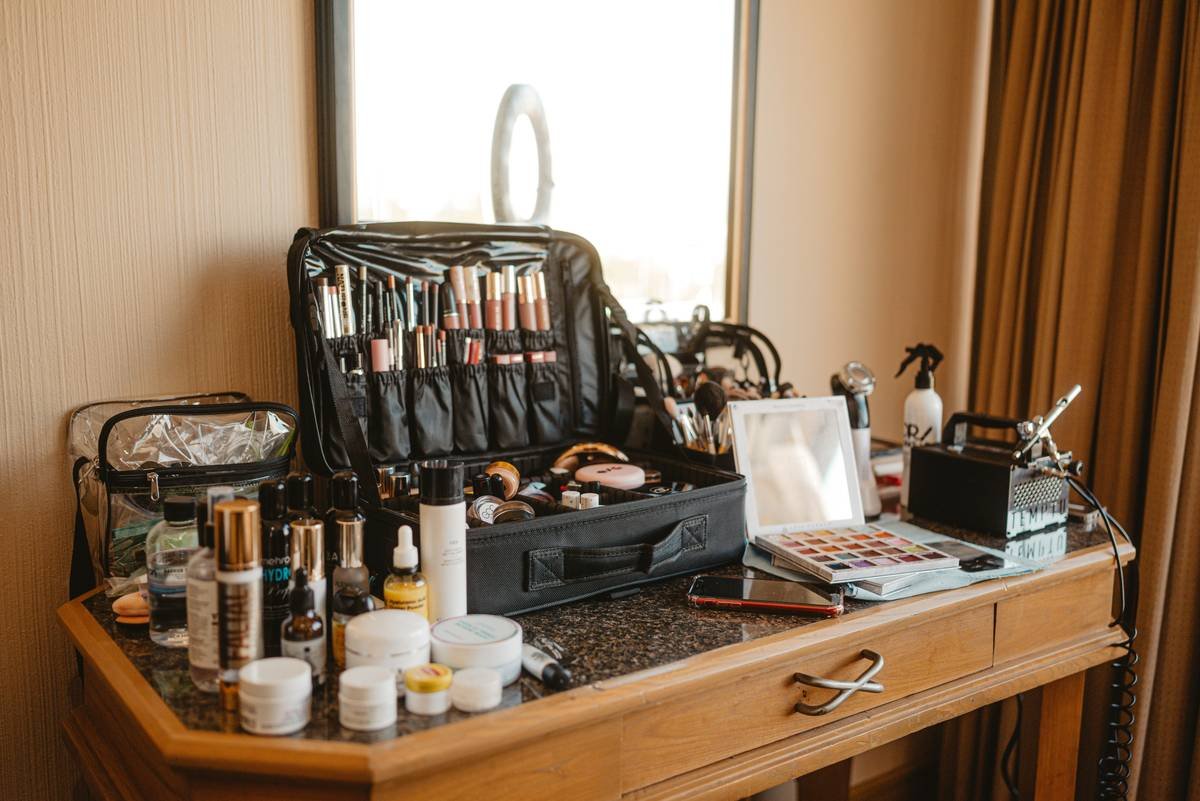
- Primary Tray: For daily-use items within arm’s reach. Opt for shallow, wide designs with removable dividers (e.g., Muji Acrylic or Mise En Beauty).
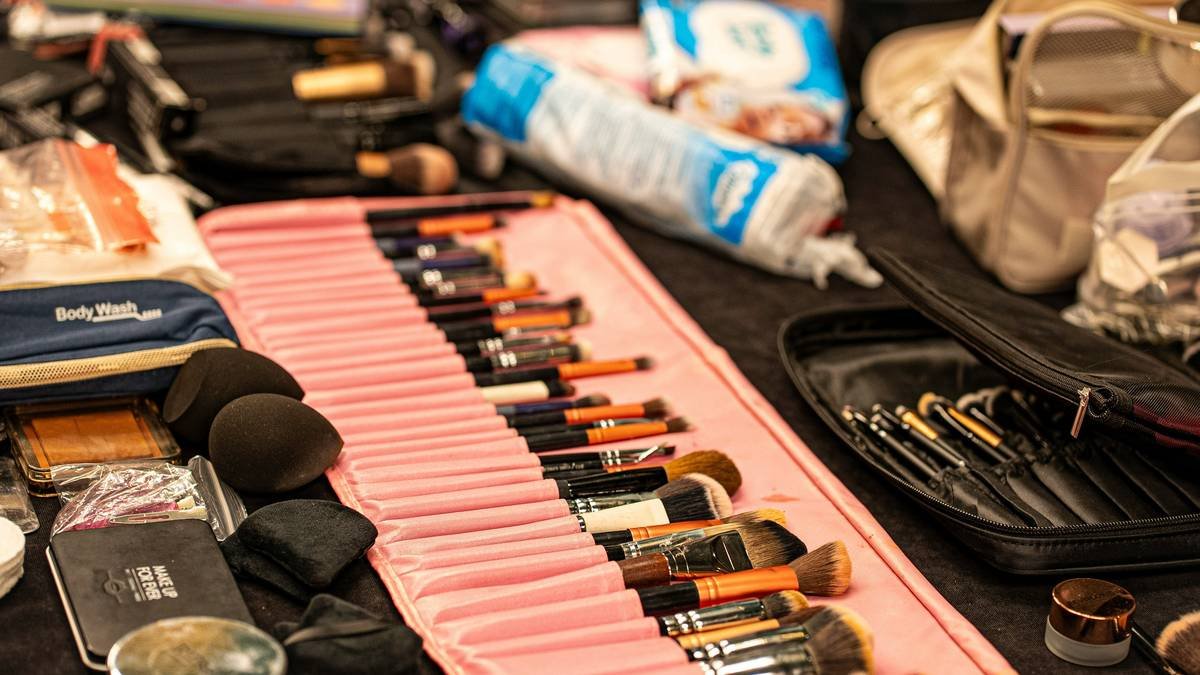
- Drawer Inserts: Use felt-lined or silicone-grid inserts for brushes and pencils. Prevents rolling and bristle damage.
- Vertical Storage: Wall-mounted racks or tiered stands for palettes and bottles. Maximizes footprint without sacrificing surface area.
- Closed Storage: Opaque bins or lidded boxes for backup stock or sensitive formulas (vitamin C serums degrade in light!).
Step 4: Zone by Function, Not Color
Grouping by rainbow might look Insta-worthy, but it’s functionally useless. Instead:
- Face zone: primers, foundations, concealers, powders
- Eye zone: liners, mascaras, shadows, tools
- Lip zone: liners, liquids, balms
- Tool zone: cleaned brushes, sponges, tweezers
This mirrors how you actually apply makeup—from base to finish.
Pro Tips from Pros: What Makeup Artists Wish You Knew
As someone who’s worked backstage at NYFW and managed a salon’s retail inventory, I’ve seen what lasts—and what ends up in the trash after one month. Here’s the unfiltered truth:
- Acrylic isn’t king. While transparent, it yellows over time and scratches easily. Bamboo, powder-coated metal, or matte-finish ABS plastic offer durability + elegance.
- Clean weekly. Bacteria thrives in damp sponges and creamy residues. Wipe surfaces with 70% isopropyl alcohol—never vinegar (it degrades adhesives in compacts).
- Store brushes upright—with space. Cramped bristles = bent fibers. Leave room between handles.
- Label backup stock. Use washi tape + a date. You’ll thank yourself during your next declutter.
- Avoid magnetic closures near electronics. Strong magnets in some luxury cases can interfere with phone sensors or credit cards.
Terrible Tip Disclaimer: “Just use egg cartons!” Nope. Cardboard absorbs oils, harbors mold, and collapses under weight. Please don’t do this.
Rant Section: My Pet Peeve
Why do brands sell “makeup organizers” with compartments sized for sample vials—but not full-size foundations? It’s like selling shoe racks that only fit baby booties. Design for reality, not minimalism porn.
Real-Life Case Studies: From Chaos to Calm
Case Study 1: Maya, Content Creator (Los Angeles)
Before: Makeup spilled across 3 open drawers, constant reshoots due to missing products.
Solution: Installed a 3-tier acrylic carousel + labeled drawer inserts.
Result: Cut morning routine from 22 to 11 minutes. Zero repeat purchases in 6 months. Saved $210.
Case Study 2: Dr. Lena Ruiz, Dermatologist & Beauty Formulator
Before: Clinical samples and prototypes mixed with personal products—risk of cross-contamination.
Solution: Used color-coded, lidded bins (red = clinical, blue = personal) with silica gel packs.
Result: Eliminated formulation confusion, extended product shelf life by 30% (per internal lab notes).
These aren’t magic fixes—they’re systems built on understanding workflow, not just tidiness.
Beauty Organizer System FAQs
What’s the difference between a makeup organizer and a beauty organizer system?
A makeup organizer is typically a single container. A beauty organizer system is a holistic, customizable setup that includes storage for tools, skincare, hair accessories, and backup stock—integrated into your actual routine.
How often should I reorganize my beauty system?
Seasonally—or whenever you add more than 5 new products. Life changes; your system should too.
Are rotating carousels worth it?
Only if you have deep countertops and use most products regularly. Otherwise, they become dead zones in the back.
Can I use kitchen organizers for makeup?
Sometimes—but avoid wood (porous, harbors bacteria) and unlacquered metals (can oxidize). Stick to food-grade plastics or coated metals if repurposing.
Do beauty organizer systems really save money?
Yes. The average woman owns 40+ beauty products (Allure, 2022) but uses only 12 regularly. A good system prevents duplicate buys and extends product life through proper storage.
Conclusion
A beauty organizer system isn’t about perfection—it’s about peace. It’s knowing exactly where your holy-grail bronzer lives, grabbing your favorite brush without disrupting ten others, and actually enjoying your routine instead of surviving it.
Start small. Audit honestly. Prioritize function over flair. And remember: the best system is the one you’ll actually maintain—not the one that looks flawless in a staged photo.
Like a Tamagotchi, your beauty space needs daily care. Feed it attention, not just Instagram likes.
Lipsticks lined in rows,
Brushes breathe in silent grace—
Chaos turns to calm.