Ever dug through a chaotic makeup bag at 6:45 a.m., mascara wand stabbing your thumb while your foundation bottle rolls under the couch—again? Yeah, we’ve been there. In fact, a 2023 survey by Allure found that 68% of women spend an average of 7 minutes daily just searching for misplaced beauty products. That’s over 42 hours a year lost to drawer chaos.
If your vanity looks like a Sephora exploded during a windstorm, this post is your rescue mission. We’re diving deep into the world of cosmetic essential cases—not just what they are, but how to choose one that actually works for your routine, space, and aesthetic. You’ll learn:
- Why flimsy zip pouches fail even the most minimalist routines
- How professional MUAs organize high-volume kits without meltdowns
- The exact features that separate a “meh” case from a game-changer
- Real-world examples (including my own brush-catastrophe redemption arc)
Table of Contents
- The Makeup Mess Problem: Why Disorganization Costs More Than Time
- How to Choose a Cosmetic Essential Case That Actually Works
- Pro Tips for Maximizing Your Cosmetic Essential Case
- Real Case Studies: From Chaos to Calm
- FAQs About Cosmetic Essential Cases
Key Takeaways
- A true cosmetic essential case combines portability, compartmentalization, and durability—not just “cute storage.”
- Look for removable dividers, clear pockets, and spill-proof materials if you travel or use liquids frequently.
- Professional makeup artists prioritize modularity; your case should evolve with your collection.
- Don’t fall for “minimalist” designs that sacrifice function—storage ≠ aesthetics alone.
The Makeup Mess Problem: Why Disorganization Costs More Than Time
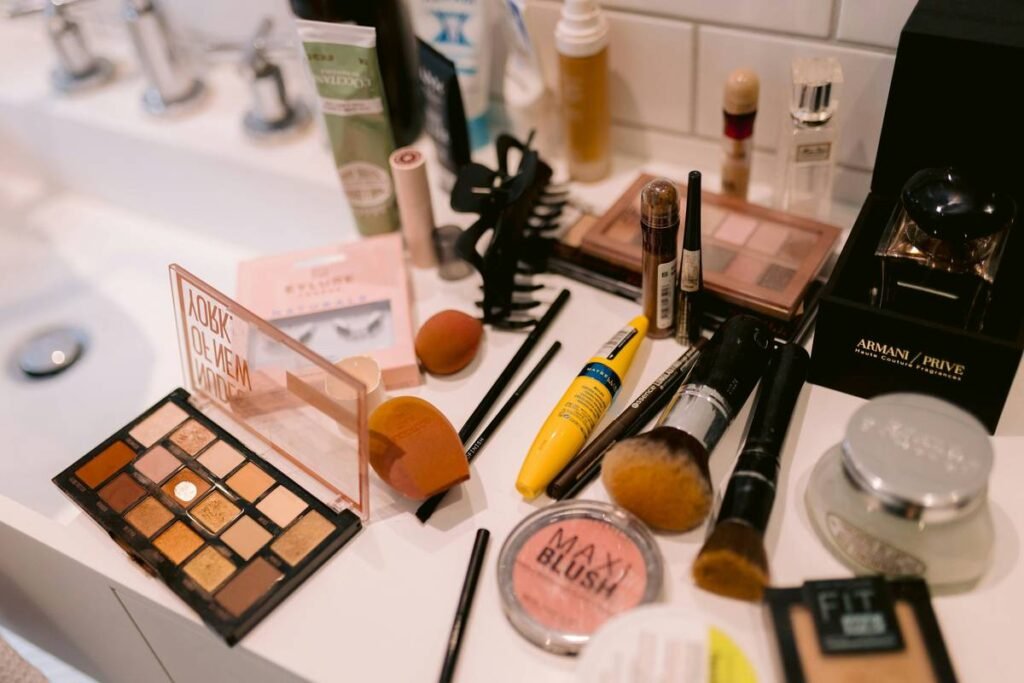
Let’s be real: dumping all your makeup into a drawstring pouch might work when you own three lipsticks. But once you add serums, eyeshadow palettes, and those tiny tweezers that vanish like socks in a dryer? Chaos reigns.
I learned this the hard way during a freelance gig at New York Fashion Week. I showed up with a trendy vegan-leather “organizer” that looked chic on Instagram… until my setting spray leaked onto $200 worth of brushes mid-backstage rush. The case had zero waterproof lining, no secure compartments, and—worst of all—no structure. My blush compact shattered. My client was not amused.
This isn’t just about embarrassment. Poor organization leads to:
- Product waste (dried-out gels, broken compacts, cross-contaminated tools)
- Duplicate purchases (“I swore I had a brown eyeliner!”)
- Longer routines = rushed skin prep = breakouts
How to Choose a Cosmetic Essential Case That Actually Works
Picking the right case isn’t about matching your bathroom decor. It’s about engineering your routine for speed, hygiene, and sanity. Here’s how pros do it:
What makes a case truly “essential”?
A cosmetic essential case must solve three core problems: accessibility, protection, and adaptability. If it doesn’t check all three, it’s just a fancy bag.
Step 1: Audit your actual routine (not your Pinterest fantasy)
Before buying anything, lay out everything you use in a week. Be brutally honest. Do you really need that 36-pan palette you opened once? Or are you a “concealer + tinted moisturizer + red lipstick” kind of person?
Measure your largest items (usually palettes or skincare bottles). Your case must accommodate them without cramming.
Step 2: Prioritize material and structure
Avoid soft fabric cases unless you only carry powders. For liquids, creams, or travel, opt for:
- Hard-shell exteriors (like polycarbonate or ABS plastic) – protects against crushing
- Waterproof or wipeable interiors – prevents bacterial growth from spilled toner or serum
- Sturdy zippers or magnetic closures – flimsy zippers = lost product
Step 3: Demand smart compartmentalization
Removable foam inserts or adjustable dividers let you customize layout as your collection changes. Clear mesh pockets help spot items instantly—no more finger-digging.
Optimist You: “A well-designed case cuts morning routine time in half!”
Grumpy You: “Ugh, fine—but only if it fits my giant Hourglass Ambient Lighting Palette without me holding my breath.”
Pro Tips for Maximizing Your Cosmetic Essential Case
Once you’ve got your case, don’t just stuff and zip. Optimize like a backstage artist:
- Group by function, not color: Keep all complexion products (primer, foundation, concealer) together. Eye zone = liners, shadows, lashes. This mimics how you apply makeup.
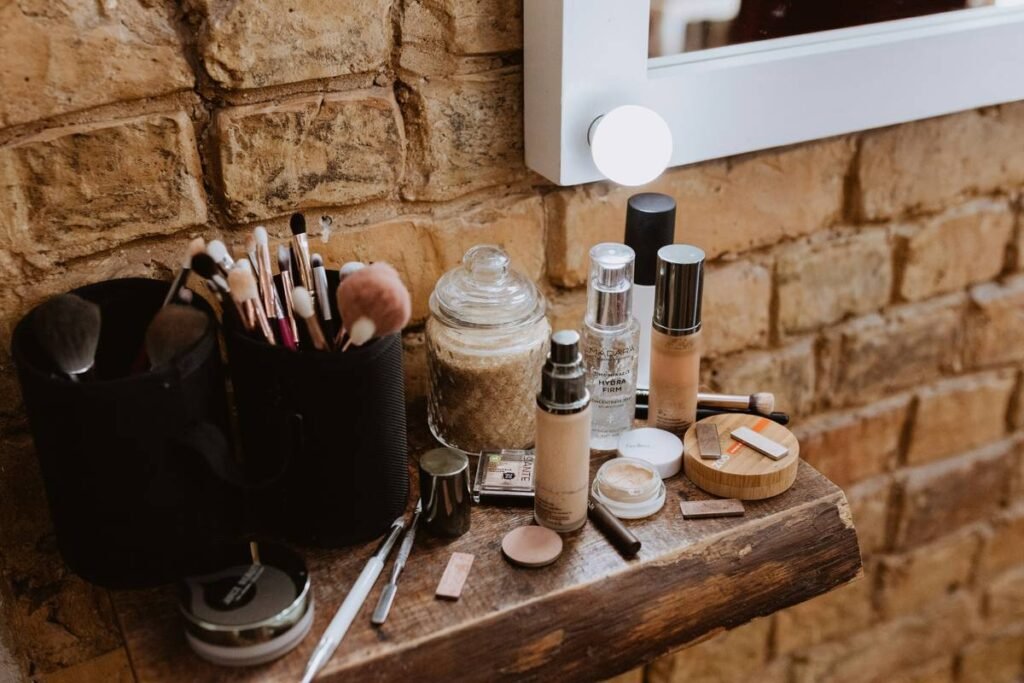
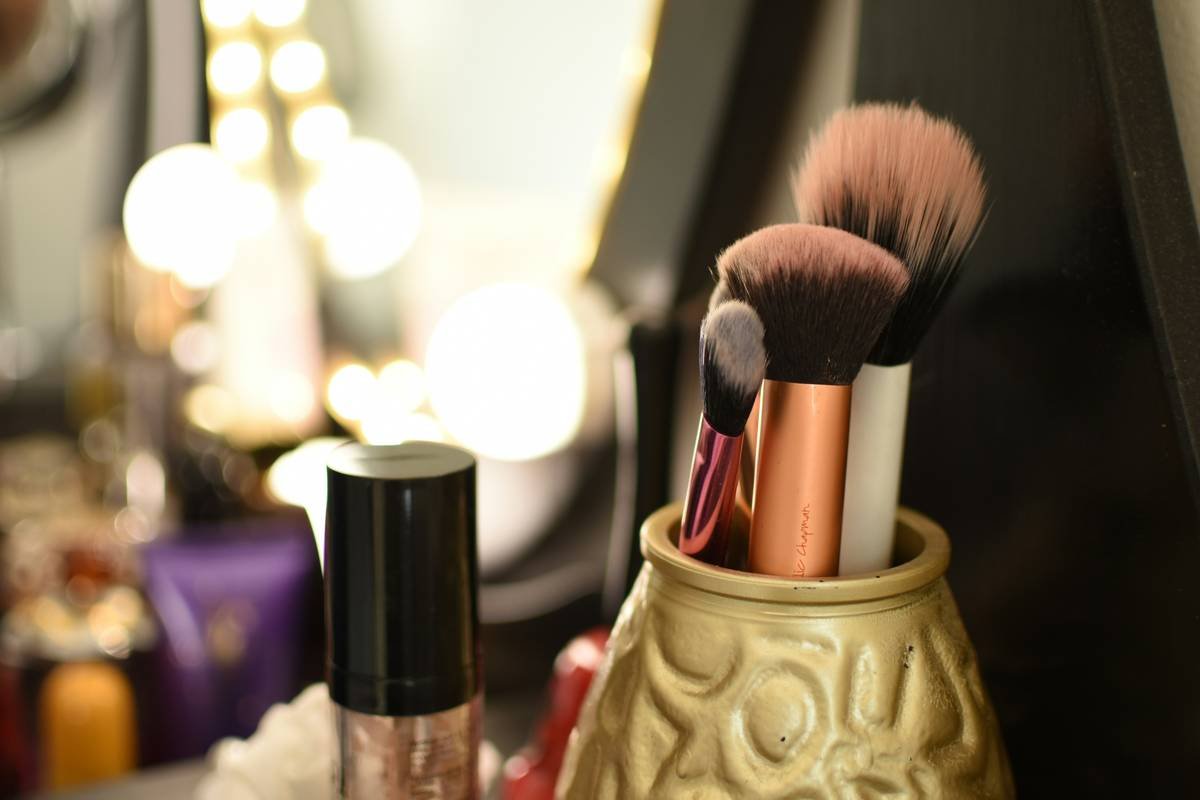
- Use silicone brush holders: Stand brushes upright in removable cups to preserve bristle shape and prevent bacteria transfer.
- Label drawers or sections: Small vinyl stickers let you reassign zones as seasons change (e.g., swap highlighters for richer cream blushes in winter).
- Clean weekly: Wipe interior with 70% isopropyl alcohol—especially after liquid spills. A dirty case breeds acne-causing bacteria (per the American Academy of Dermatology).
Terrible Tip Alert: “Just toss everything in and shake it out later!” Nope. This destroys brushes, mixes pigments, and guarantees you’ll lose your favorite micro liner pencil forever.
Rant Corner: The “Minimalist Trap”
Why do so many “clean aesthetic” cases have zero internal structure? Looking at you, beige linen zip pouches. They’re gorgeous on flat lays but collapse into a jumble of sharp eyelash curlers and shattered compacts the second you move. Beauty tools deserve functional design—not just Instagram bait. If your case can’t survive a commute or a gym bag tumble, it fails its job.
Real Case Studies: From Chaos to Calm
Case Study 1: The Traveling MUA
My friend Lena, a Los Angeles-based makeup artist, switched from a generic train case to the Zhoui Pro Cosmetic Organizer after her kit failed TSA inspection (liquids leaked everywhere). The new case features TSA-approved clear liquid sleeves, shock-absorbent foam, and modular trays. Result? Zero product loss on 12+ flights last year—and she now fits double the essentials in less space.
Case Study 2: The Minimalist with Sensitive Skin
Sarah, a dermatology nurse with rosacea, needed a case that kept her clean, fragrance-free routine separate from her partner’s shared vanity. She chose the SimpleHuman Compact Cosmetic Case with sealed compartments. No cross-contamination. No accidental retinol-on-pillow incidents. Her flare-ups decreased noticeably within a month—because her products stayed pure and organized.
FAQs About Cosmetic Essential Cases
What’s the difference between a makeup bag and a cosmetic essential case?
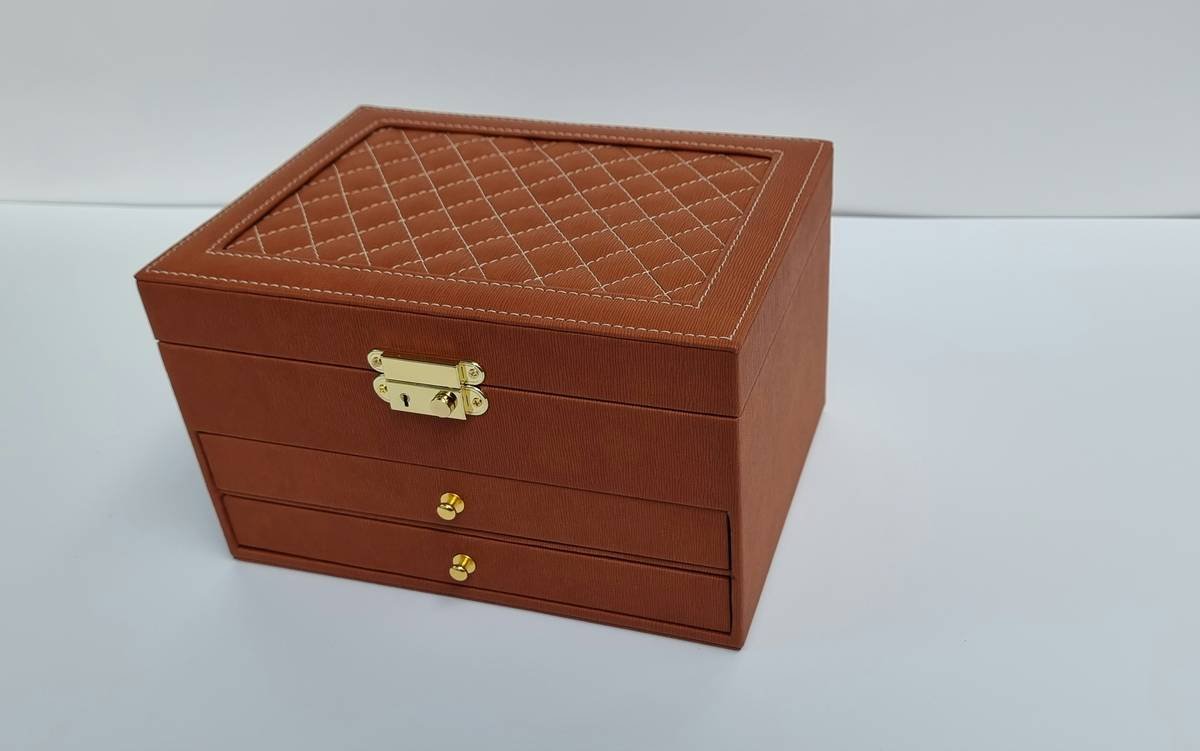
A makeup bag is typically soft, unstructured, and single-compartment. A cosmetic essential case has rigid or semi-rigid construction, multiple customizable zones, and protective features for diverse product types—including liquids and fragile items.
Can I use a cosmetic essential case for skincare too?
Absolutely! Many modern cases include shallow trays perfect for serums, sheet masks, or jade rollers. Just ensure the lining is waterproof if storing hyaluronic acid or vitamin C ampoules.
Are expensive cases worth it?
If you own high-end or numerous products, yes. A $40–$80 case from brands like Zhoui, SimpleHuman, or MUFE protects hundreds (or thousands) in product value. For minimalists with 5–7 items, a $15 structured case may suffice.
How often should I replace my cosmetic case?
Every 18–24 months, or sooner if zippers fail, lining degrades, or odor persists after cleaning. Bacteria buildup in porous materials can contribute to skin irritation (AAD guidelines recommend replacing contaminated storage regularly).
Conclusion
A cosmetic essential case isn’t a luxury—it’s a non-negotiable tool for anyone serious about their beauty routine. It saves time, preserves product integrity, prevents duplicate buys, and even supports skin health by minimizing contamination. Whether you’re a pro artist or a five-minute face warrior, investing in a thoughtfully designed case pays off in daily calm and confidence.
So next time you’re elbow-deep in a makeup abyss, ask yourself: “Would a real essential case fix this?” Spoiler: Yes. And your future self—rushing out the door with flawless concealer already in hand—will thank you.
Like a Tamagotchi, your routine needs daily care… but unlike a Tamagotchi, it won’t die if you forget to feed it. (Though your foundation might expire.)