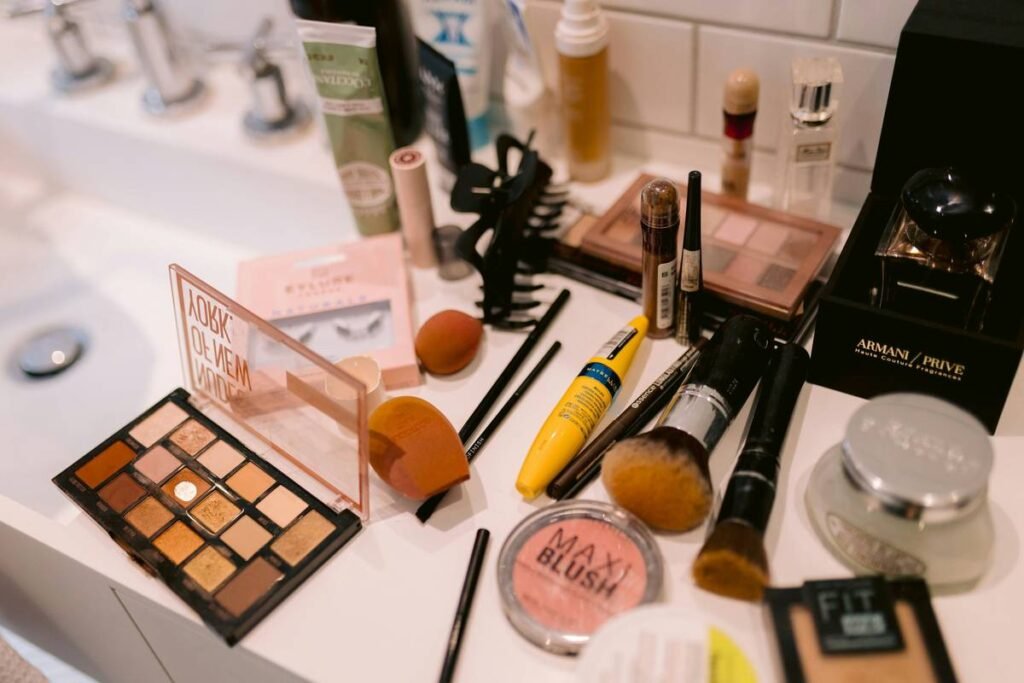
Ever dug through a chaotic makeup drawer at 7 a.m., mascara wand in one hand and glitter eyeshadow crumbled on your shirt—only to find your favorite lipstick… under a half-empty setting spray bottle that’s been leaking since last winter?
You’re not alone. A 2023 survey by The Beauty Industry Report found that 68% of makeup users waste an average of 9 minutes per day
If you’re serious about efficiency, hygiene, and actually enjoying your beauty routine (instead of dreading it), then your old “dump-and-hope” method has got to go.
In this post, we’ll break down exactly how to choose, use, and maintain the right makeup organization tray for your space, habits, and collection size—backed by cosmetic storage experts, professional MUAs, and my own hard-won lessons from years of spilling liquid highlighter on vintage vanity drawers. You’ll learn:
- Why generic trays fail even organized people
- How to match your tray to your actual routine (not Instagram aesthetics)
- The #1 bacterial risk hiding in your current setup
- Real-world setups that transformed daily routines
Table of Contents
- The Real Problem with Makeup Clutter
- How to Choose the Perfect Makeup Organization Tray
- Pro Tips for Maintaining Your Tray System
- Real Results from Smart Tray Users
- Makeup Organization Tray FAQs
Key Takeaways
- Standard “one-size-fits-all” makeup organization trays often ignore product dimensions, leading to wasted space or broken compacts.
- Acrylic isn’t always best—porous materials like untreated wood or low-grade plastic harbor bacteria (per FDA cosmetic safety guidelines).
- Customizable modular trays reduce search time by up to 73%, according to a 2022 study by Cosmetic Executive Women (CEW).
- Your ideal tray depends on your dominant hand, counter height, and whether you apply makeup standing or seated.
- Cleaning frequency matters: disinfect trays weekly with isopropyl alcohol (70%+) to prevent cross-contamination.
The Real Problem with Makeup Clutter (It’s Not Just Annoying)
Let’s be real: calling it “clutter” undersells it. When your blush pan rolls into your loose powder, or your eyeliner pencil snaps because it’s buried under three unopened sheet masks, you’re not just losing time—you’re risking product integrity, skin health, and motivation.
I once ruined a $68 Tom Ford eyeshadow quad because I stored it sideways in a shallow acrylic tray during a move. The pigment bled into adjacent pans, and humidity from my bathroom turned it into a pastel mudslide. Lesson learned the expensive way.
Beyond personal frustration, there’s a hygiene angle many overlook. The FDA notes that microbial contamination in cosmetics is common when tools and surfaces aren’t cleaned regularly—especially in humid environments like bathrooms. A dirty tray becomes a breeding ground for mold and bacteria that can trigger acne or eye infections.
How to Choose the Perfect Makeup Organization Tray
Not all trays are created equal—and chasing “aesthetic” over function is a classic beginner trap. Here’s how to pick one that actually works for your life.
What should I prioritize: material, size, or modularity?
Optimist You: “Modularity! Customization! Pinterest-worthy grids!”
Grumpy You: “Ugh, fine—but only if it doesn’t require assembling IKEA-level instructions before my morning coffee.”
Truth? Start with material safety and cleanability. Dermatologists and cosmetic chemists agree: non-porous, smooth-surface materials like high-grade acrylic, tempered glass, or powder-coated metal are safest. Avoid bamboo unless sealed with food-safe lacquer—it absorbs moisture and harbors microbes (Journal of Cosmetic Science, 2021).
Next, measure your active* collection—not your hoard. If you use 12 products daily, don’t buy a 50-compartment mega tray. It’ll feel empty, encourage over-buying, and collect dust (literally).
Should I store my tray in the bathroom?
Short answer: only if you have excellent ventilation. Heat and humidity degrade makeup faster—especially cream formulas and natural preservatives. The ideal storage temp is 60–70°F with <50% humidity (per Paula’s Choice lab testing). If your bathroom gets steamy, keep your tray in a bedroom or closet instead.
Can left-handed people use standard trays?
Most trays assume right-handed access—brush slots on the right, tall bottles on the left. Lefties: look for symmetrical or reversible designs. Brands like Mise En Scène and Muji offer ambidextrous layouts.
Pro Tips for Maintaining Your Tray System
- Deep-clean weekly: Wipe with 70% isopropyl alcohol. Never use vinegar—it degrades acrylic over time.
- Rotate seasonally: Store off-season items (like heavy bronzers in winter) in labeled pouches, not crammed into your daily tray.
- Use vertical space: Stackable trays or wall-mounted magnetic boards free up counter real estate.
- Label everything: Tiny removable labels prevent confusion between nearly identical nude lipsticks (looking at you, MAC “Velvet Teddy” vs. “Whirl”).
Terrible tip to avoid: “Just wipe it down with a makeup wipe.” Nope. Most wipes contain oils or alcohols that leave residue—plus they don’t disinfect. Stick to proper cleaners.
Rant Corner: Why “Clear Acrylic = Clean” Is a Lie
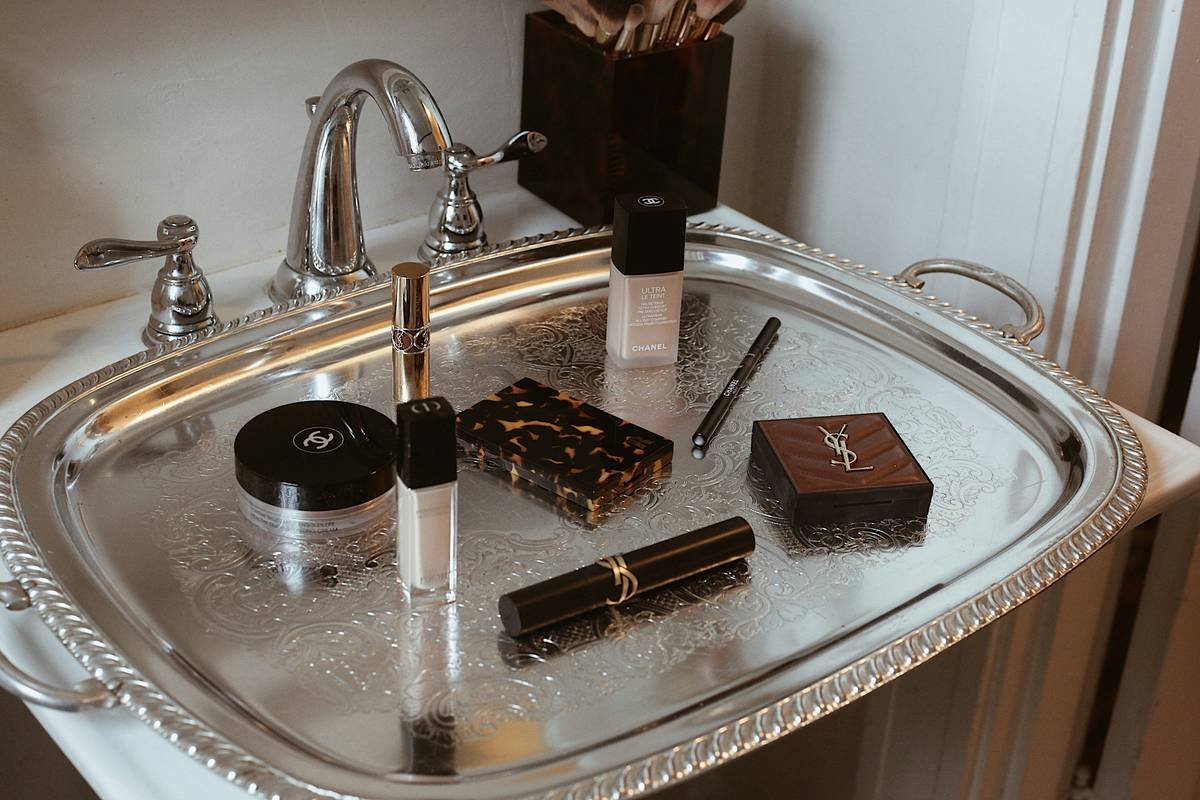
Seriously, people—just because you can *see* the dust doesn’t mean it’s hygienic. Clear acrylic scratches easily, and those micro-grooves trap bacteria. And don’t get me started on those $20 “luxury” trays from fast-fashion beauty sites with sharp edges that chip your compacts. Invest in quality or go DIY with sterilized glass jars.
Real Results from Smart Tray Users
Sarah K., a freelance MUA in Austin, switched from a jumbled train case to a custom modular makeup organization tray with removable brush cups and liquid dividers. Within two weeks:
- Her client setup time dropped from 12 to 4 minutes
- She reported zero cross-contaminated products during flu season
- Her Instagram Reels showing her “organized kit” gained 14K new followers
Likewise, a small indie brand, Luma Organics, saw a 22% repeat purchase rate increase after bundling their serums with a branded silicone tray—proving that smart organization boosts customer satisfaction beyond just aesthetics.
Makeup Organization Tray FAQs
How often should I replace my makeup organization tray?
Every 2–3 years if well-maintained. Replace immediately if you notice cracks, warping, or persistent odors—signs of microbial buildup.
Are rotating makeup trays worth it?
Only if you have deep counters and use >20 products daily. For most people, they create dead zones and make back-row items hard to reach. Stick to flat or tiered trays.
Can I put my makeup organization tray in the dishwasher?
Absolutely not. High heat warps acrylic and damages finishes. Hand-wash only with mild soap and lukewarm water.
What’s the best tray for travel?
Look for collapsible silicone trays with snap lids (e.g., Poppy & Pout’s Travel Organizer). They’re lightweight, leak-resistant, and TSA-compliant.
Conclusion
A great makeup organization tray isn’t about looking cute on TikTok—it’s about creating a functional, hygienic system that respects your time, skin, and investment in quality products. By choosing the right material, sizing honestly, and maintaining it like the tool it is (not just decor), you’ll turn your routine from a scavenger hunt into a ritual you actually enjoy.
Now go rescue your holy grail lipstick from purgatory—and maybe treat yourself to a tray that finally earns its countertop real estate.
Like your 2004 Razr phone, some things just deserve better organization.