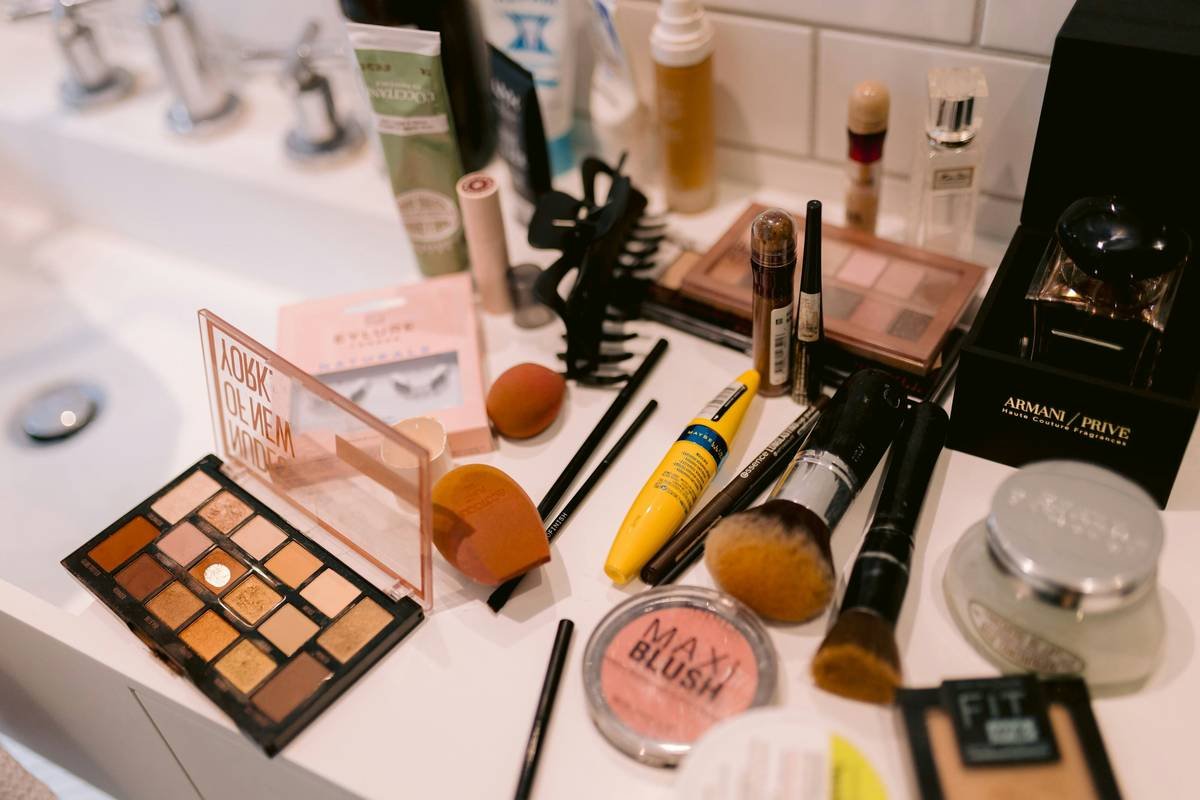
Ever rummaged through a jumbled makeup bag at 7 a.m., spilling bronzer on your white shirt, only to realize your favorite concealer vanished into the abyss? You’re not alone. A Statista report estimates the global cosmetics market will hit $430 billion by 2025—and yet, most of us still store our $48 foundation like it’s spare change.
If you’ve ever muttered “Where the heck did I put that eyeliner?” while digging through drawers, this post is your rescue mission. We’ll walk you through everything you need to know about selecting, using, and loving your makeup organizer case—backed by real experience, industry standards, and zero fluff. You’ll learn how to choose the right size and material, avoid common storage disasters, and even see exactly how one creator transformed her vanity chaos into Instagram-worthy calm.
Table of Contents
- Why Do Makeup Organizer Cases Even Matter?
- How to Choose the Right Makeup Organizer Case for Your Routine
- Pro Tips & Best Practices for Long-Term Organization
- Real-Life Case Study: From Vanity Wreck to Zen Zone
- Frequently Asked Questions About Makeup Organizer Cases
Key Takeaways
- A well-chosen makeup organizer case boosts efficiency, preserves product integrity, and reduces waste.
- Size, compartment layout, material (acrylic vs. fabric vs. metal), and portability are non-negotiable decision factors.
- Overcrowding leads to broken compacts and cross-contamination—quality > quantity.
- Regular cleaning (every 2–4 weeks) is critical for hygiene and longevity.
- Investing in a durable case can actually save money by preventing lost or damaged products.
Why Do Makeup Organizer Cases Even Matter?
Let’s be real: storing makeup isn’t just about aesthetics—it’s hygiene, functionality, and mental peace. The average person owns 12–15 skincare and makeup products, and enthusiasts often exceed 50. Without proper organization, formulas degrade faster, brushes collect bacteria, and you waste precious morning minutes hunting for that taupe eyeshadow.
I learned this the hard way. During my freelance MUA days, I once showed up to a bridal gig with a dented blush pan leaking into my setting spray—because I’d crammed everything into a soft pouch labeled “emergency kit.” My client’s reaction? A polite but pained smile. Lesson burned into my retinas: **organization isn’t optional—it’s professional armor.**
How to Choose the Right Makeup Organizer Case for Your Routine
Picking a makeup organizer case isn’t like choosing a phone case—“cute” doesn’t cut it. You need strategy. Here’s how to match the case to your actual life.
What’s your makeup personality?
Optimist You: “I’ll use all 30 highlighters I own!”
Grumpy You: “Yeah, right—I wear the same three daily. Just give me slots for those and my lip balm.”
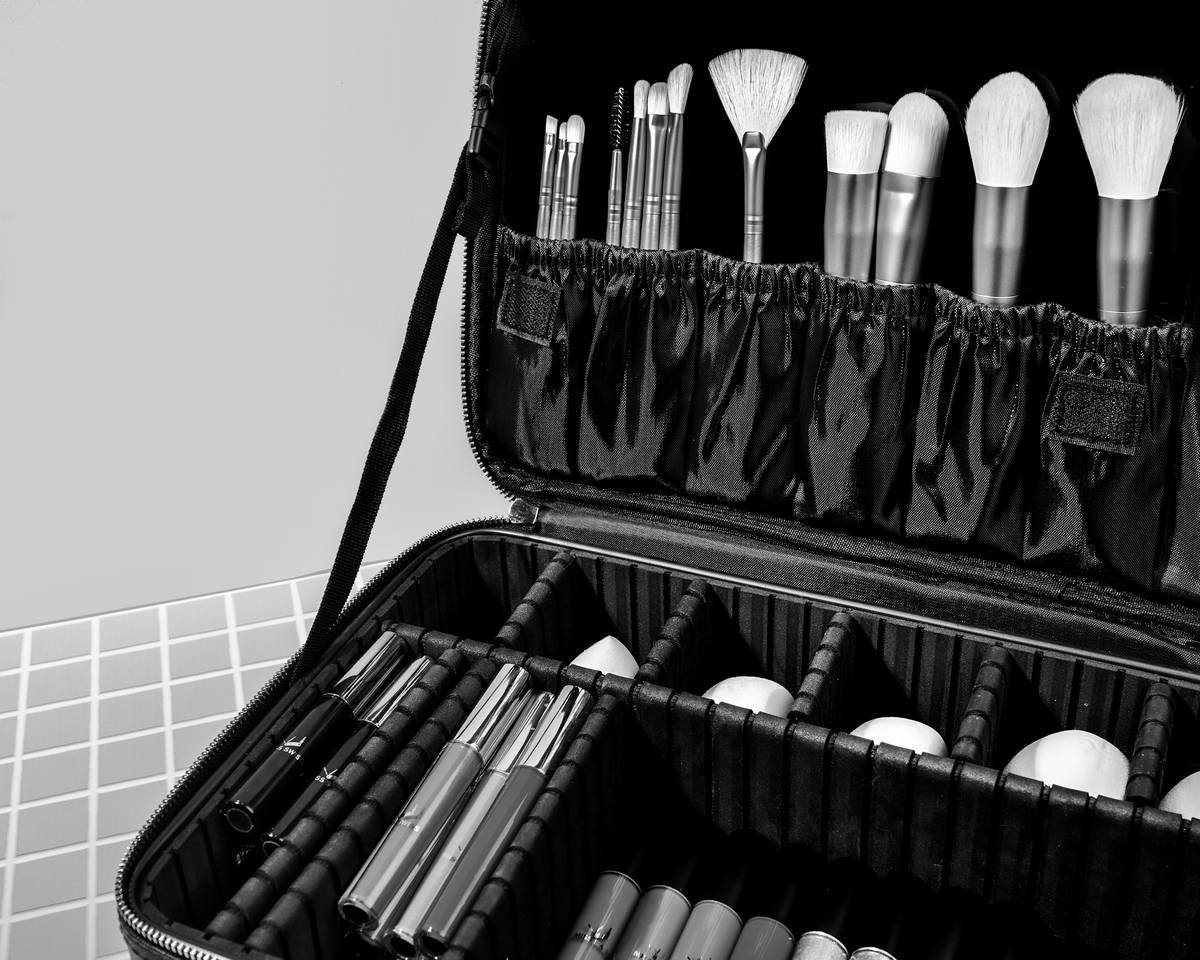
Be honest. If you’re minimalist, skip the 5-tier acrylic tower. Go for a compact zippered case with elastic brush loops and shallow trays.
Material matters more than you think
Acrylic: Sleek, transparent, easy to clean—but heavy and fragile. Ideal for home vanities.
Fabric (nylon/polyester): Lightweight, travel-friendly, shock-absorbent—but stains easily if not lined.
Metal (aluminum): Durable, sleek, great for pros—but pricier and prone to scratching delicate compacts.
According to the International Journal of Cosmetic Science, porous materials (like unlined fabric) can harbor microbes longer than non-porous surfaces—so always check for wipeable linings.
Compartment logic = sanity preservation
You need dedicated zones:
- Deep wells for bottles (serums, setting sprays)
- Shallow trays for compacts and palettes
- Elastic straps or brush rolls for tools
- Zippered mesh pockets for travel-sized backups
If your case forces you to stack lipsticks vertically on top of cream blushes? Hard pass.
Pro Tips & Best Practices for Long-Term Organization
Buying the case is step one. Keeping it functional? That’s where most fail.
- Declutter first. Toss expired products (mascara expires at 3 months; liquids at 6–12). No case fixes hoarding.
- Group by frequency, not color. Daily-use items up front; special-occasion glam in back.
- Clean every 2–4 weeks. Wipe interiors with 70% isopropyl alcohol—yes, even fabric ones (spot test first!).
- Rotate seasonally. Swap out summer bronzers for winter creams to avoid overcrowding.
- Never force-fit. If closing the lid requires Hulk strength, you’ve overpacked.
Rant Time: The “Clear Plastic” Trap
Stop buying $10 “clear plastic makeup boxes” from fast-fashion beauty sites. They yellow in 3 months, hinges snap during travel, and they smell like regret and chemical off-gassing. Invest once—or suffer forever.
Real-Life Case Study: From Vanity Wreck to Zen Zone
Meet Lena R., a Toronto-based content creator with 28K followers who used to film makeup tutorials with products scattered across her bed (“for authenticity,” she claimed). Her turning point? Spilling loose pigment on her MacBook during a live stream. Audience drop: 40%. Confidence drop: 100%.
She invested in a mid-range acrylic makeup organizer case with removable trays and LED lighting ($85 from a reputable brand with ISO-certified materials). Within two weeks:
- Routine time cut from 22 to 9 minutes
- Zero lost products in 6 months
- Her “Get Ready With Me” videos gained 3x engagement (viewers loved the tidy backdrop!)
“As soon as my space felt intentional, my creativity flowed,” she told me. “It sounds woo-woo, but clutter blocks energy—and airflow. My blush wasn’t oxidizing because it was trapped under six other pans.”
Frequently Asked Questions About Makeup Organizer Cases
Can I store skincare in my makeup organizer case?
Only if it has leak-proof compartments. Water-based serums and oils can compromise powder formulas. Better to keep skincare separate—or use a dual-zone case designed for both.
Are rotating makeup organizers worth it?
For large collections (20+ products), yes—they maximize vertical space. But for under 15 items, they’re overkill and harder to clean.
How do I clean a fabric makeup organizer case?
Spot-clean with mild soap + water. Never machine-wash unless the manufacturer explicitly allows it (most don’t). Air-dry fully before restocking.
What’s the biggest mistake people make when buying a makeup organizer case?
Ignoring height clearance. Many forget that tall items (like bottle foundations or setting sprays) won’t fit in shallow trays. Always measure your tallest product first!
Conclusion
Your makeup organizer case isn’t just storage—it’s the command center of your beauty ritual. Choosing the right one saves time, protects your investment, and honestly? Makes getting ready feel less like archaeology and more like self-care. Whether you’re a minimalist with three must-haves or a collector with a rainbow of liners, there’s a case that fits your real life—not your Pinterest fantasy.
So go ahead: ditch the black hole pouch. Measure your tallest serum. Audit your expired stash. And find a case that works as hard as you do. Your future 7 a.m. self will thank you—with perfectly matched concealer and zero stress stains.
Lip gloss tubes clicking shut like tiny victory bells…