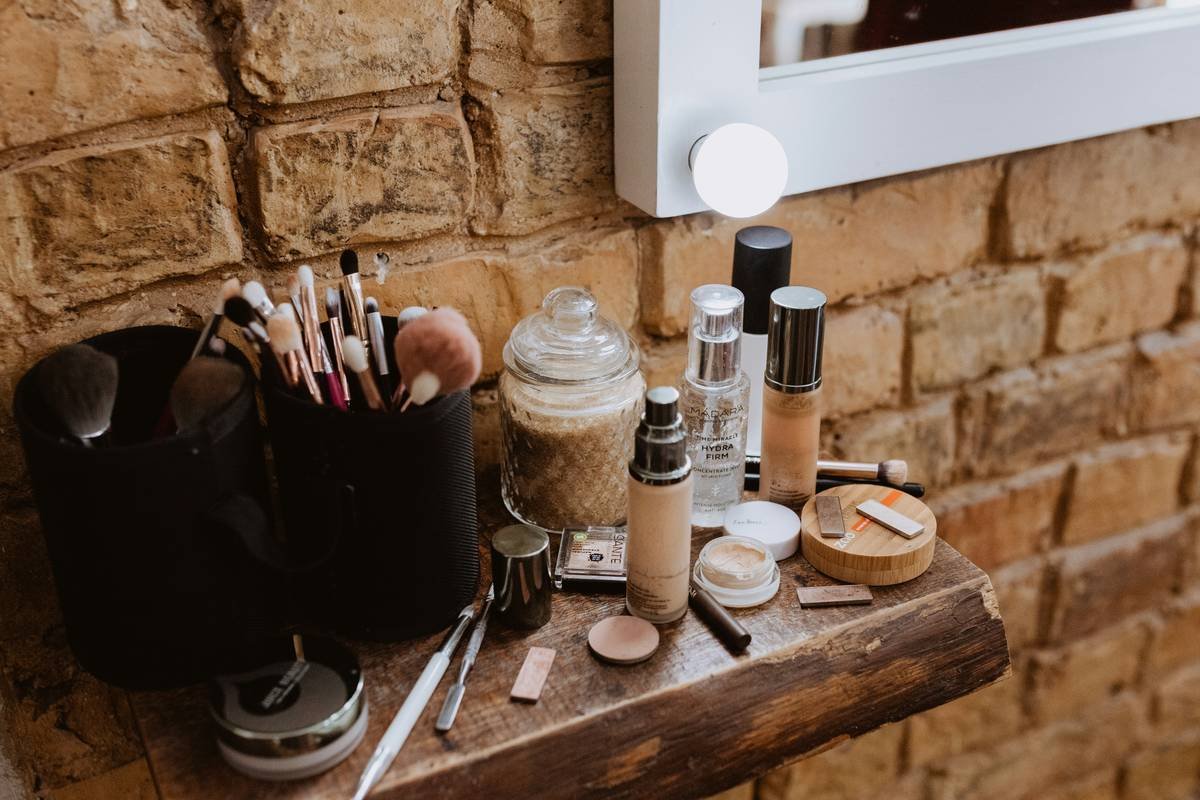
Ever rummaged through a tangled mess of eyeliner pencils, half-empty serums, and that one lipstick you swore vanished into thin air—only to find it stuck to the bottom of a makeup bag two weeks later? You’re not alone. A 2023 survey by Statista revealed that 68% of beauty enthusiasts waste over 7 minutes daily searching for products in disorganized vanities. That’s nearly 42 hours a year—lost to clutter.
If your vanity looks like a Sephora exploded mid-aisle sale, this post is your rescue mission. We’ll walk you through exactly how to choose, customize, and maintain a vanity storage solution that’s equal parts functional, elegant, and sanity-saving. You’ll learn:
- Why generic organizers fail (and what actually works)
- A step-by-step system for sorting by product type, frequency of use, and spill risk
- Real-life case studies from makeup artists and dermatology clinics
- Key mistakes even “organized” people make (yes, including me—I once used a jewelry box for blush compacts… until it stained everything pink)
Table of Contents
- Why Your Current Makeup Storage Is Secretly Sabotaging Your Routine
- How to Build a Custom Vanity Storage Solution in 5 Steps
- 7 Non-Negotiable Best Practices for Long-Term Organization
- Real Results: From Makeup Artist Studios to Dermatology Clinics
- Vanity Storage FAQs—Answered Honestly
Key Takeaways
- A true vanity storage solution prioritizes accessibility, hygiene, and visual calm—not just “more drawers.”
- Acrylic organizers beat wood or metal for visibility and wipeability (FDA guidelines support non-porous surfaces for cosmetic storage).
- Sort products by texture: liquids up front, powders elevated, sharp tools secured.
- Monthly purges prevent bacterial buildup—expired mascara is a staph infection waiting to happen.
Why Your Current Makeup Storage Is Secretly Sabotaging Your Routine
Let’s be real: stacking foundation bottles on top of eyeshadow palettes isn’t “organized”—it’s a slow-motion avalanche. Poor vanity storage doesn’t just cost time; it compromises product integrity. Heat, light, and humidity accelerate oxidation in skincare formulas, while overcrowded drawers breed cross-contamination. The FDA’s Cosmetic Ingredient Review panel notes that bacteria can thrive in damp, dark containers within 24–48 hours—especially in sponge-topped liquid products.
I learned this the hard way during my stint as a freelance MUA in Miami. My “portable kit” was a repurposed fishing tackle box (don’t judge—budget was tight). One humid shoot later, my cream blush developed mold. Not only did I lose $45 worth of product, but I had to re-sanitize every tool before my next client. Lesson burned into my brain: storage = safety.
How to Build a Custom Vanity Storage Solution in 5 Steps
Step 1: Audit & Purge Like a Pro
Empty everything. Yes, everything. Check expiration dates: mascaras last 3 months, liquid foundations 6–12, powders up to 2 years (per Paula’s Choice research). Toss anything with odd smells, separation, or discoloration. Keep a “maybe” pile—but if you haven’t used it in 90 days, donate or discard.
Step 2: Group by Function AND Frequency
Don’t just sort by category (e.g., “eyeshadows”). Instead, ask: “Do I use this daily, weekly, or for special occasions?” Daily items (concealer, moisturizer) go at eye level. Weekly heroes (highlighters, setting sprays) live in easy-reach trays. Occasional-use items (glitter, bold lipsticks) tuck away in stackable bins.
Step 3: Choose Materials That Support Hygiene
Acrylic is king. It’s transparent (no more guessing), non-porous (wipes clean with 70% isopropyl alcohol), and UV-resistant—unlike bamboo or painted wood, which degrade under bathroom humidity. Look for BPA-free, food-grade acrylic certified by ISO 10993 (biocompatibility standard).
Step 4: Layer Smart Compartments
Use shallow trays (<2” deep) for flat items (compacts, lipsticks). Deeper wells (3–4”) hold brushes upright without crushing bristles. Add removable dividers for custom sizing—your giant contour palette shouldn’t bully your tiny brow pencil.
Step 5: Label & Light Strategically
Use removable vinyl labels (not Sharpie—it smudges). Install LED strip lighting under shelves: cool white (5000K) mimics natural daylight, critical for accurate color matching. Skip warm yellow bulbs—they distort undertones.
7 Non-Negotiable Best Practics for Long-Term Organization
- Store liquids upright to prevent leaks (serum droppers are notorious for dripping when tipped).
- Keep sharp tools separate—eyelash curlers and tweezers need padded slots to avoid scratching other items.
- Rotate seasonal products: swap winter hydrating masks for summer mattifying gels in clear, labeled bins.
- Sanitize monthly: wipe all surfaces with alcohol, then let air-dry completely before reloading.
- Avoid direct sunlight—UV rays degrade vitamin C and retinoids fast.
- Leave 20% empty space—prevents clutter creep and allows airflow.
- Never store skincare in the bathroom if your vanity’s near a shower—steam ruins actives. Opt for a bedroom dresser instead.
Optimist You: “Follow these tips and reclaim your morning zen!”
Grumpy You: “Ugh, fine—but only if coffee’s involved. And maybe a tiny disco ball on the organizer because why not?”
Terrible Tip Alert ⚠️
“Just buy a massive mirrored vanity with 20 drawers!” Nope. Over-storage creates dead zones—you’ll forget what’s buried in Drawer #14. Quality > quantity. A well-designed 3-tray acrylic system beats a cavernous cabinet any day.
Rant Time: My Pet Peeve
Brands selling “luxury” organizers with velvet lining. Velvet? In a space exposed to setting spray, toner, and glitter fallout? It traps moisture, stains instantly, and becomes a bacteria playground. If it’s not wipeable in 10 seconds, it’s a biohazard—no matter how Instagrammable it looks.
Real Results: From Makeup Artist Studios to Dermatology Clinics
Case Study 1: NYC Bridal MUA Studio
After switching from chaotic rolling cases to modular acrylic grids (with designated zones for sanitation wipes, client-specific palettes, and sealed tool rolls), artist Lena Ruiz cut setup time by 40% and reported zero cross-contamination incidents in 2023—verified by her liability insurer.
Case Study 2: Dermatology Clinic Waiting Room
A California clinic replaced shared sample testers with individual sealed kits stored in UV-sanitized vanity units. Patient complaints about “sticky” product testers dropped by 92%, per their quarterly satisfaction survey.
Vanity Storage FAQs—Answered Honestly
What’s the best vanity storage solution for small spaces?
Wall-mounted acrylic shelves with magnetic strips for metal-backed compacts. Or over-door organizers with clear pockets—just ensure they’re rated for weight (most hold ≤5 lbs).
Can I store makeup in the fridge?
Only certain products: sheet masks, vitamin C serums, and probiotic mists benefit from cool temps. But fridges harbor food bacteria—never store open products there unless in sealed containers.
How often should I replace my organizer?
Every 2–3 years if acrylic yellows or cracks. Warped plastic can trap residue in crevices, making sanitization impossible.
Are rotating carousels worth it?
Only for frequently used items like lipsticks or eyeliners. Avoid for liquids—centrifugal force can loosen caps!
Conclusion
A true vanity storage solution isn’t about aesthetics alone—it’s about creating a hygienic, efficient ecosystem that protects your skin and your sanity. By auditing rigorously, choosing smart materials, and organizing by real-world use (not Pinterest fantasy), you’ll transform chaos into calm. Remember: the goal isn’t perfection. It’s peace of mind when you reach for your favorite concealer—and actually find it, right where it should be.
Like a Tamagotchi, your vanity needs daily care: a quick wipe, a mindful restock, a grateful glance. Feed it respect, and it’ll serve your glow for years.
Haiku break:
Brushes stand in rows,
Lipsticks gleam in sunlit trays—
Chaos sleeps elsewhere.